
Keeping Your Northwest Home Electrically Safe
Electrical safety has become tricky with all the devices, standards, and advice flying around.
Northwest weather creates specific challenges—moisture, storms, and temperature swings affect electrical systems. Understanding basic safety practices prevents accidents and protects your property.
Regular Visual Inspections
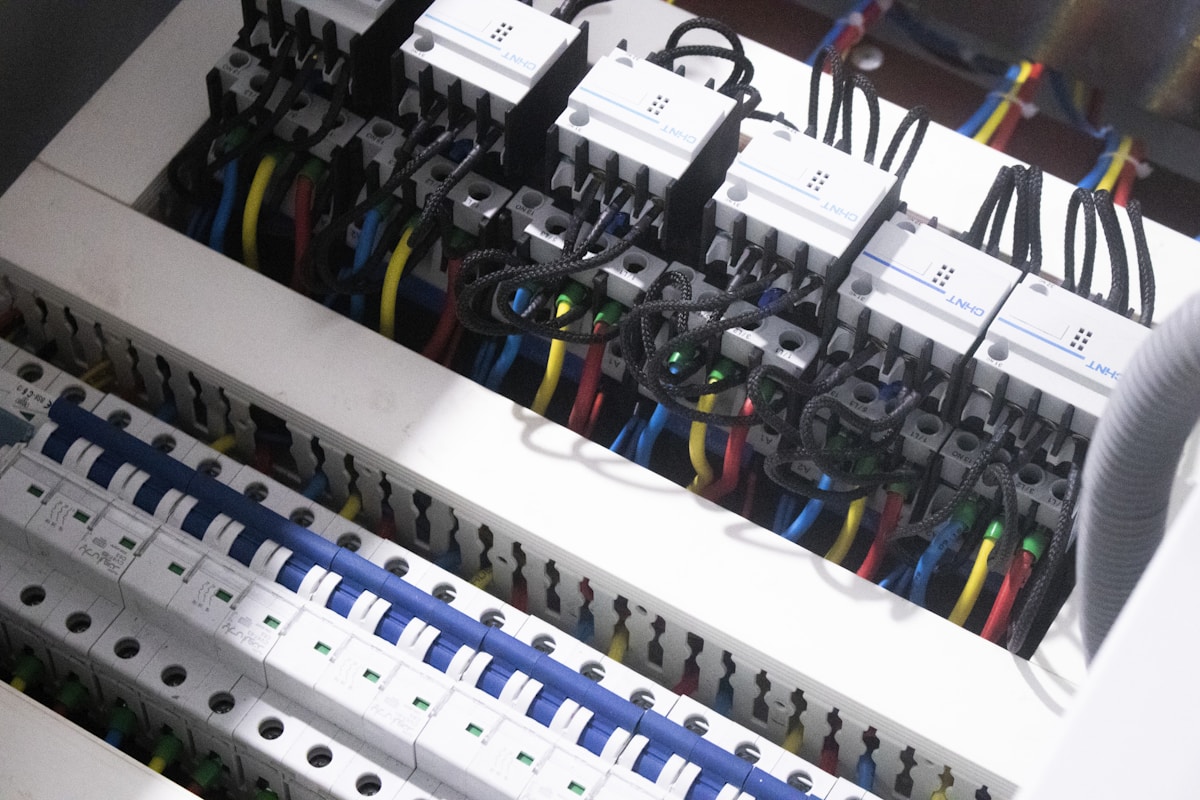
Check outlets, switches, and cords regularly. Look for cracks, frayed insulation, burn marks, or scorching. Replace or repair damaged components immediately. Problems caught early are cheap fixes; problems ignored become dangerous.
Don’t Overload Outlets

- Plugging too many devices into one outlet causes overheating.
- Use surge protectors to shield electronics from power spikes.
- Unplug appliances when not in use to prevent accidental overheating.
Extension Cord Best Practices
Extension cords are temporary solutions, not permanent wiring. Don’t run them under rugs or furniture where heat builds up. Match cord capacity to device wattage. Probably should have led in this section, frankly—extension cord misuse causes countless fires.
Childproofing Outlets
Safety covers prevent curious fingers from poking into outlets. Simple, cheap protection against electric shock for households with children.
Appliance Maintenance
Check appliance cords for damage. Plugs should fit securely in outlets. Keep appliances clean—dust accumulation causes overheating. That’s what makes regular maintenance endearing to us safety-conscious electricians—it catches problems before they become dangers.
Lighting Safety
- Use bulbs with correct wattage for fixtures.
- Replace burned-out bulbs promptly.
- Keep lamps on stable surfaces away from flammable materials.
Water and Electricity Don’t Mix
Keep electrical devices away from water sources. Install GFCIs in bathrooms, kitchens, and anywhere water is present. GFCIs cut power instantly if they detect current leakage, preventing electrocution.
Know Your Circuit Breaker Panel
Locate your panel and ensure it’s accessible. Label each breaker clearly. If a breaker trips repeatedly, it’s signaling a problem—call an electrician to investigate. Don’t just keep resetting it.
Professional Inspections
Hire an electrician for periodic safety inspections. Professionals identify risks invisible to untrained eyes. This is especially important in older homes with wiring that may not meet current standards.
Smoke and CO Detectors
- Install detectors in key areas throughout your home.
- Test monthly to verify they work.
- Replace batteries annually at minimum.
Outdoor Electrical Safety
Outdoor systems need weatherproof outlets and covers. All outdoor installations should meet code and be done by qualified electricians. Keep electrical tools and cords away from wet areas.
Emergency Preparedness
Keep a fire extinguisher rated for electrical fires accessible. Know how to shut off main power. Have an emergency plan and make sure everyone in your household knows it.
Stay Informed
Safety standards evolve. Resources from utilities, government agencies, and electrical safety organizations keep you current. Continuous learning helps maintain a safe home environment.


Stay in the loop
Get the latest northwest electric pros updates delivered to your inbox.