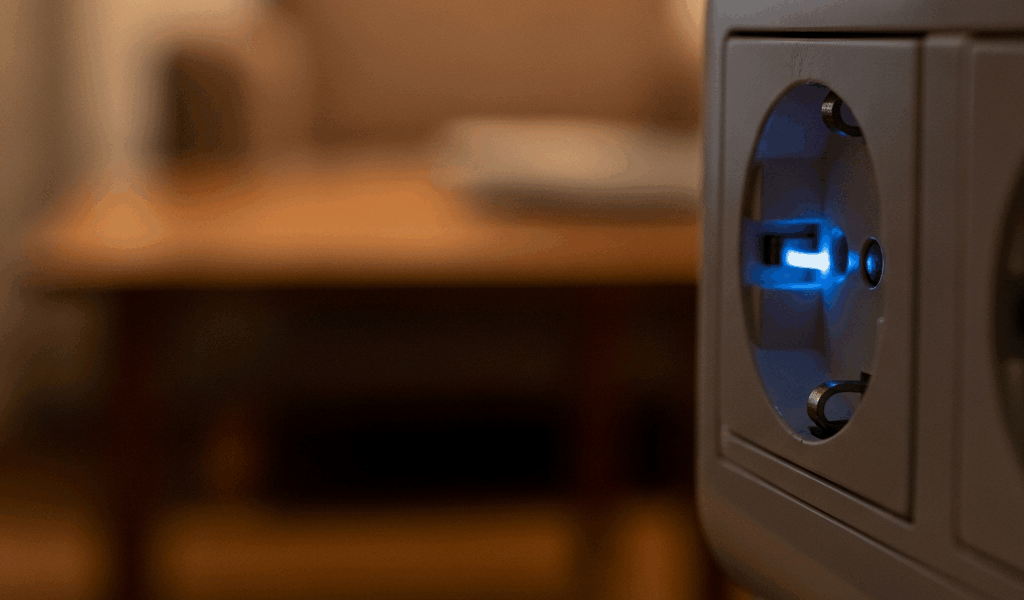
What Normal Outlet Arcing Looks Like vs. Dangerous Sparking
I watched my kitchen outlet produce a tiny blue flash last summer and immediately panicked, convinced my house was about to burn down. Turned out I was witnessing something completely normal. But three months later, the same outlet started producing sustained yellow sparks with an acrid smell — and I knew something was genuinely wrong.
The difference between those two events? It saved me from both needless panic and dangerous inaction.
Normal arcing happens when metal contacts meet. Picture the precise moment a plug’s prongs slide into an outlet’s receptacles. There’s a microsecond where electricity jumps the tiny gap between metal and metal. That brief blue flash — usually lasting less than a second — is ionized air. It’s actually a sign your outlet is working properly. You might hear a quiet pop or soft click. Some people never even notice it.
Dangerous sparking tells an entirely different story. Instead of that one-second flash, you see sustained yellow or white sparks dancing out of the outlet for several seconds. The sound changes too — not a quiet pop but active crackling, like a miniature campfire living in your wall. Heat radiates from the outlet. You might smell burning plastic or ozone, that sharp metallic scent. The outlet itself may be warm or hot to the touch.
Here’s where I’m being honest: probably should have opened with this section. I discovered this distinction only after calling my electrician, not before. The diagnostic clues are straightforward once you know what separates normal from abnormal.
5 Reasons Outlets Spark and Your Next Step
Loose Outlet or Plug Connection
A plug that doesn’t sit flush in the outlet creates resistance. Electricity has to work harder to cross that gap. Result: arcing. This is actually the most common culprit I’ve encountered, and honestly, it’s often the easiest to fix.
DIY solution: Try a different outlet in a different room. If the same plug works perfectly there, your original outlet is likely loose or worn. Some outlets have little brass tabs that hold plugs. Over time — sometimes just after 10 years of daily use — these tabs lose tension. You can replace a standard 15-amp outlet yourself if you’re handy. Cost runs $2 to $8 per outlet. Turn off power at the breaker first. Unscrew the old outlet, disconnect the wires, install the new one. Takes 10 minutes.
Call an electrician if: You’re uncomfortable working with electrical connections or if multiple outlets in your house show the same problem — that suggests a deeper wiring issue.
Worn Outlet Contacts
Every time you plug something in and pull it out, those brass contacts inside the outlet experience wear. After thousands of cycles, they become pitted or corroded. The connection degrades. Arcing increases.
DIY solution: Replace the outlet. Same process as above — no tricks needed. Most worn outlets are simple to swap.
Call an electrician if: The outlet is hardwired, no plug connection, or built into a switch plate with other outlets or switches. These require more skill.
High-Amperage Device Meeting an Old Outlet
Modern space heaters, hair dryers, and power tools demand significant current. A 1970s outlet rated for lighter loads can’t handle that draw. It wasn’t designed for 12 amps running continuously through it.
DIY solution: Use that device in a different, newer outlet if possible. Long-term? The circuit probably needs upgrading, which isn’t a DIY job.
Call an electrician if: You want to keep using that device safely in that location. They can assess whether the circuit needs an upgrade or the outlet needs replacement with a heavier-duty model.
Water or Moisture Damage
Water and electricity make sparks happen. Not the safe blue kind. The dangerous kind.
Call an electrician immediately. Do not attempt any repair yourself. Do not pour water on the outlet to cool it. Moisture-damaged outlets are fire hazards. Your electrician might recommend shutting off power to that circuit entirely until the outlet can be replaced.
Faulty Appliance Cord
Sometimes the outlet is fine. The problem is the cord you’re plugging in. A damaged, frayed, or internally compromised cord creates arcing as electricity tries to find its path. I once had a cheap extension cord that produced sparks when I plugged in my printer. The outlet was flawless. That $6 cord was the culprit.
DIY solution: Replace the cord or the appliance. A new cord costs $15 to $40 depending on length and gauge. Test with a different cord first to confirm the cord is the issue, not the outlet.
Never attempt to repair a damaged cord with tape. That’s a fire waiting to happen.
Safety Check You Can Do Right Now
You won’t need tools or expertise for these checks. Just your senses.
- Feel for heat: After witnessing sparks, carefully place your hand near (not touching) the outlet. Does it feel warm or hot? Normal outlets stay room temperature. Heat suggests current is being wasted as resistance.
- Look for discoloration: Scorch marks, dark staining, or blackening around the outlet opening indicate previous arcing or heat damage.
- Sniff the area: Burning plastic, ozone smell, or any acrid odor means stop using that outlet immediately.
- Inspect the plug prongs: Are they pitted, blackened, or bent? Damaged prongs won’t seat properly and cause arcing.
- Check for GFCI protection: Is the outlet a GFCI outlet with TEST and RESET buttons? These outlets cut power instantly if they sense a ground fault. If sparking occurred in a GFCI outlet and it didn’t trip, that’s actually a warning sign the GFCI isn’t working correctly.
When You Must Call an Electrician Today
Some situations aren’t “call when you get a chance” territory. They’re immediate.
Sparks plus burning smell: This combination means arcing is energetic enough to ignite nearby materials. Fire hazard. Call now.
Sparks coming from the outlet itself (not the plug): This indicates the problem is in your home’s electrical system, not the device you’re plugging in. Needs professional diagnosis.
Sparking after water exposure: Even if water touched the outlet hours ago, moisture inside creates unpredictable arcing. Don’t wait.
Sparks near flammable materials: Your outlet is adjacent to curtains, wooden trim, or stored items? Sustained sparking near flammables is a real fire risk.
Repeated sparking after you’ve unplugged the device: If the outlet keeps sparking even with nothing plugged in, the problem is definitely in your wiring or the outlet itself.
Temporary Safety Steps While You Wait for Help
If you’ve identified a problem but can’t get an electrician until tomorrow, these steps reduce risk.
Unplug the device immediately. Stop using that outlet entirely. Mark it with tape or a note so nobody in your household forgets.
Do not attempt any repairs. I’m serious about this. Even if you watch a YouTube video and feel confident, outlet work around active electricity is dangerous.
Consider shutting off the breaker. If sparking was severe or ongoing, flip the breaker that controls that outlet to OFF. Your electrician can turn it back on after assessment. This is the safest temporary solution.
Keep flammables away. Move curtains, cardboard boxes, paint cans — anything combustible — at least three feet from the problem outlet.
Have a fire extinguisher nearby. If you have one rated for electrical fires (Type C), keep it accessible in the room where sparking occurred. Don’t use water on an electrical fire.
Most outlet sparking situations resolve quickly and affordably. A new outlet costs $15 to $100 installed, depending on complexity. The risk you’re avoiding — electrical fire in your walls — is worth the investment. Your electrician will arrive, diagnose the specific problem in under 15 minutes usually, and have you safe within an hour. That’s a reasonable trade for peace of mind and protecting your home.
Heat is another warning sign: see what to do when a light switch or wall plate feels hot, including the important dimmer exception.




Stay in the loop
Get the latest northwest electric pros updates delivered to your inbox.