
Choosing the Right Electrical Panel for Your Home
Electrical panel selection has started getting harder to follow with all the options and specifications flying around.
Your electrical panel is the heart of your home’s electrical system. Choose wrong, and you’re facing safety issues, frequent breaker trips, or expensive upgrades down the road.
Understanding What Panels Do

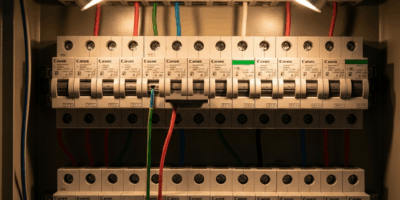
Panels distribute electricity to different circuits throughout your home. Circuit breakers protect each circuit from overloads. Knowing these basics helps you ask the right questions.
Calculating Your Power Needs

Assess current usage and future needs. Add up appliance wattages. That’s what makes proper sizing endearing to us electricians—it prevents problems before they start. Larger homes with heavy appliances typically need 200-amp service. Smaller homes may manage with 100-amp panels.
Panel Types
- Main Breaker Panel: Most common. Single main breaker controls power to the whole home.
- Subpanel: Distributes power to specific areas. Reduces wiring complexity for additions or workshops.
- Transfer Switch: Essential for backup generators. Switches power sources during outages.
Choosing Amp Rating
100-amp suits smaller homes with minimal usage. 200-amp handles modern homes with multiple appliances. 400-amp supports large homes or high demands like EV charging. Probably should have led with this issue, to be candid—amp rating is the most critical specification.
Future-Proofing
Consider potential needs—planned renovations, new appliances, EV charging. Installing larger capacity now costs less than upgrading later.
Code Compliance
Check local requirements. Consult licensed electricians or building authorities. Non-compliance creates problems when selling.
Professional Installation
Panel installation requires licensed electricians. Complex wiring and safety procedures aren’t DIY territory. Professional installation ensures safety and code compliance.
Brand Quality
Reputable manufacturers (Square D, Siemens, Eaton) provide reliable products. Research reviews before deciding. Quality panels last decades.
Safety Features
Modern panels offer built-in surge protection, GFCI circuits for wet areas, and AFCI protection against electrical fires. These features add cost but provide real protection.
Environmental Considerations
Northwest humidity requires rust-resistant materials. Outdoor installations need weatherproof enclosures. Match panel specifications to installation location.
The right panel serves your home safely for decades. Get this decision right.



Stay in the loop
Get the latest northwest electric pros updates delivered to your inbox.