
Essential Electrical Safety Tips for NW Homeowners
Electrical safety practices have gotten less clear-cut with all the rules, device types, and conflicting advice flying around.
Install GFCIs Where They Matter
Probably should have led with this material, openly—GFCIs protect from electric shock:

GFCIs monitor the flow of electricity and shut off power if a ground fault is detected. Install them in areas exposed to water—kitchens, bathrooms, and garages. These devices prevent serious injuries.
Check for Overloaded Circuits
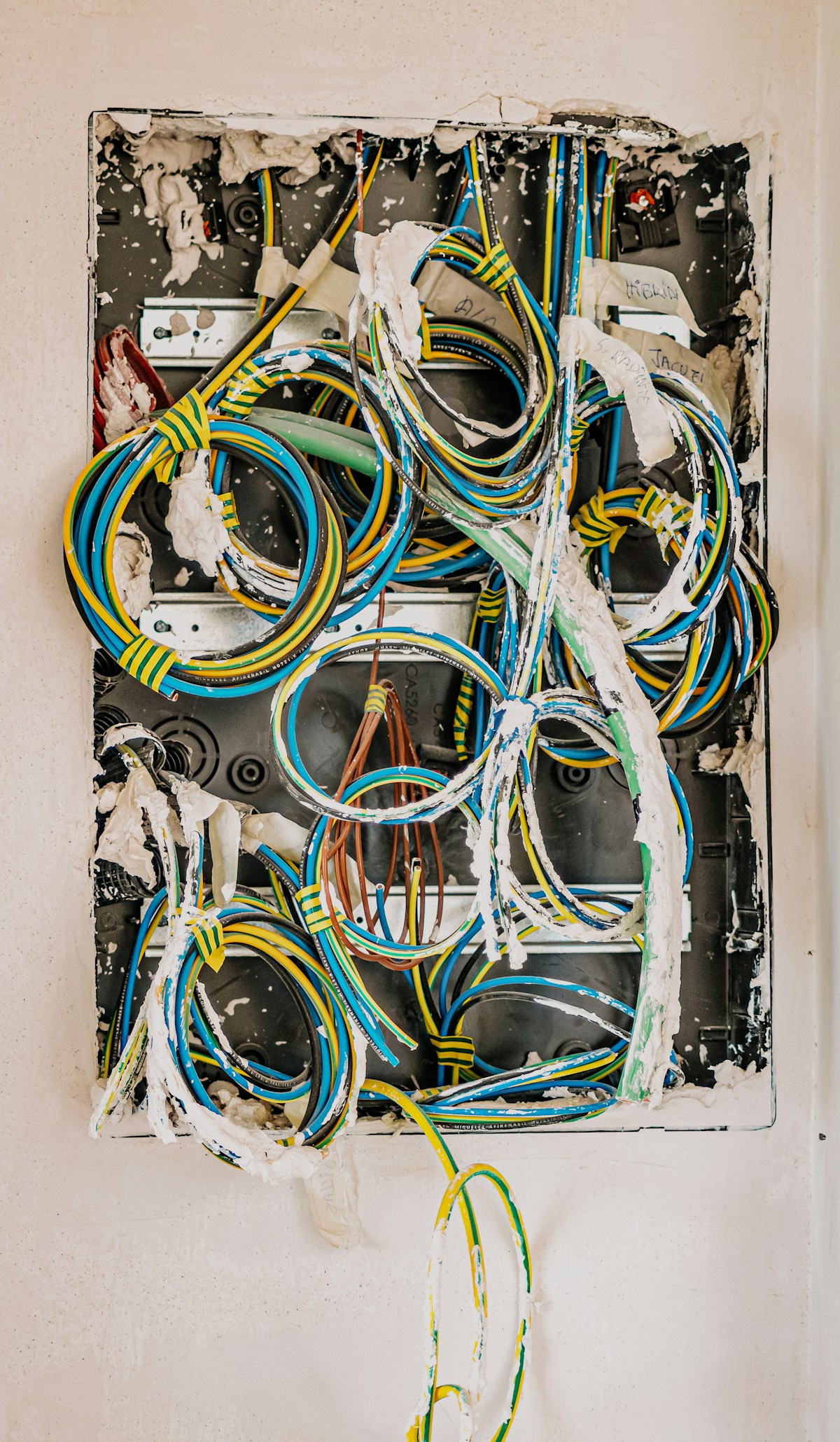
That’s what makes circuit management endearing to us safety-minded homeowners—it prevents fires:
- Avoid plugging too many devices into a single outlet
- Use power strips with built-in surge protectors
- Check if your circuit breaker frequently trips—if it does, consult an electrician
Inspect Cords and Extension Cords
Damaged cords pose real risks. Inspect them regularly and replace any frayed or broken cords immediately. Never run extension cords under rugs or furniture. Use them only as temporary solutions.
Know Your Breaker Panel
Understand what each switch in your breaker panel controls. Label them for easy identification. Know how to shut off power in an emergency—but leave repairs and replacements to qualified electricians.
Use Correct Wattage for Light Fixtures
Using the wrong wattage causes overheating. Check light fixtures for recommended bulb wattage and stay within these limits. Consider energy-efficient LED bulbs.
Space Heater Safety
Keep space heaters away from flammable materials. Never leave them unattended. Ensure they have automatic shut-off features. Plug space heaters directly into outlets—never extension cords.
Upgrade Old Wiring
Older homes may have outdated wiring—aluminum wiring and knob-and-tube can be hazardous. Have a qualified electrician inspect and upgrade wiring if necessary. This improves safety and accommodates modern electrical demands.
Leave Electrical Work to Professionals
DIY electrical repairs can lead to injuries or worse. Always hire a licensed electrician for installations or repairs. They ensure the work complies with safety standards and codes.



Stay in the loop
Get the latest northwest electric pros updates delivered to your inbox.