GFCI Installation
GFCI protection has shifted noticeably with all the code requirements, outlet types, and installation options flying around.
How GFCIs Save Lives
Probably should have led on this subject, in fairness—Ground Fault Circuit Interrupters prevent electrocution:

When electricity flows through an unintended path—like water or a person—GFCIs cut power in 1/40th of a second. This technology has prevented thousands of deaths since its introduction.
Where GFCIs Are Required
That’s what makes GFCI requirements endearing to us safety-conscious homeowners—the logic is simple:
- Bathrooms
- Kitchens (countertop outlets)
- Garages
- Outdoors
- Basements
- Anywhere near water
Even if your home was built before these requirements, upgrading to GFCIs in wet areas is a smart safety investment.
Recognizing and Testing GFCIs
GFCI outlets have TEST and RESET buttons between the plug slots. Press TEST monthly to verify they work. If the outlet doesn’t trip when tested, it needs replacement immediately.
One Protects Many
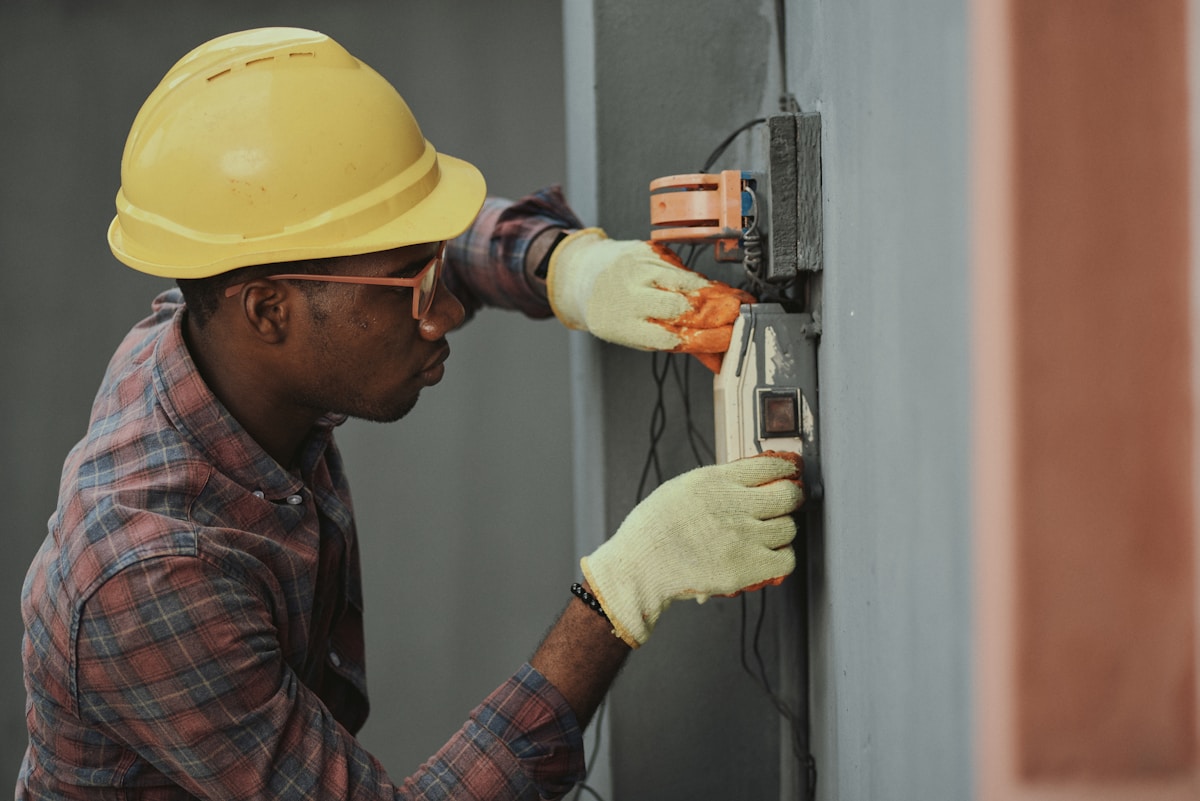
A single GFCI outlet can protect multiple downstream outlets on the same circuit. This means you might only need one GFCI per bathroom rather than replacing every outlet. Electricians determine optimal placement during installation.
Common GFCI Problems
GFCIs that trip frequently may indicate moisture, worn appliances, or wiring issues. Outlets that won’t reset have failed and need replacement. Don’t ignore these warnings.
Installation Cost
GFCI outlet installation runs $100-200 per location. Given that they prevent deadly shocks, this is perhaps the most cost-effective safety upgrade available for your home.




Stay in the loop
Get the latest northwest electric pros updates delivered to your inbox.