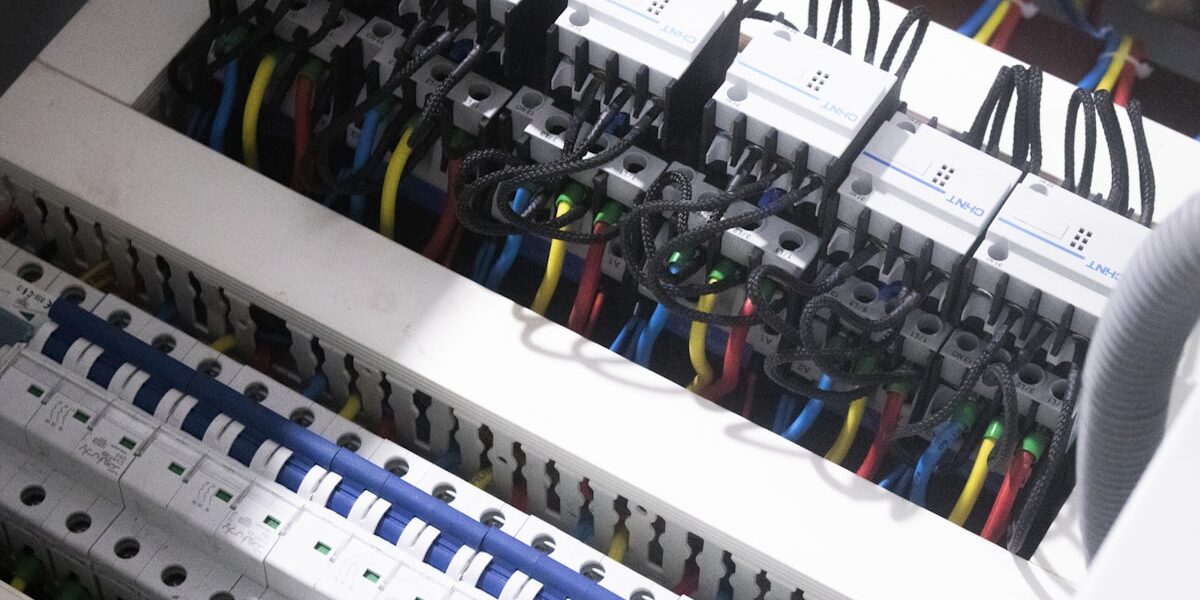
Home Electrical Safety Tips
Electrical safety advice has grown more complex with the old wives’ tales, outdated guidance, and fear-mongering flying around.
The Real Statistics
Probably should have led about this area, honestly—electrical fires cause thousands of home fires annually:

Many result from outdated wiring, overloaded circuits, or improper DIY work. The good news: regular inspection and safe practices prevent most electrical accidents.
Extension Cord Rules
That’s what makes extension cord safety endearing to us practical homeowners—simple rules prevent most problems:

- Use extension cords temporarily, never as permanent wiring
- Match cord rating to the load—check the amp rating
- Never daisy-chain extension cords together
- Replace damaged cords immediately—don’t tape them
- Keep cords away from heat sources and foot traffic
Outlet Safety Basics
- GFCI outlets: Required in wet areas, protect against shock
- AFCI breakers: Prevent arc faults that cause fires
- Tamper-resistant outlets: Protect children from inserting objects
- Damaged outlets: Replace cracked or discolored outlets promptly
The Value of Professional Inspections
Professional electrical inspections catch problems before they become emergencies. Schedule inspections before buying a home. Have older homes inspected every few years. Address findings promptly rather than waiting for problems to escalate.



Stay in the loop
Get the latest northwest electric pros updates delivered to your inbox.