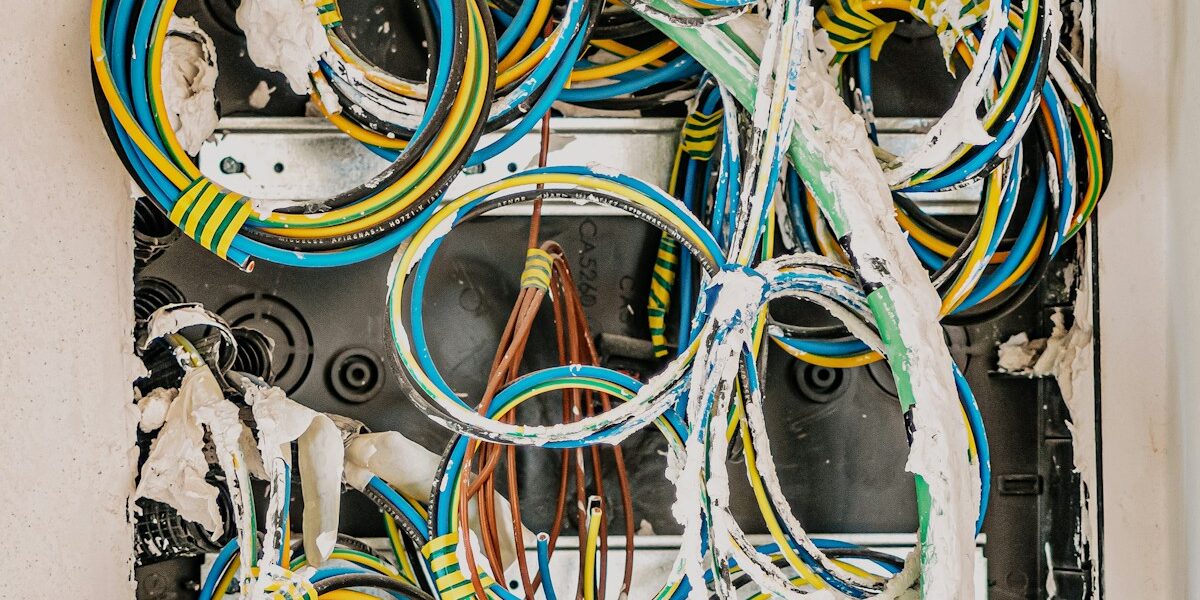
Understanding Your Home Electrical Panel
Electrical panels have turned into a moving target with all the amp ratings, breaker types, and technical jargon flying around.
What Your Panel Actually Does
Probably should have led in this part, truthfully—your panel is command central for your home’s power:
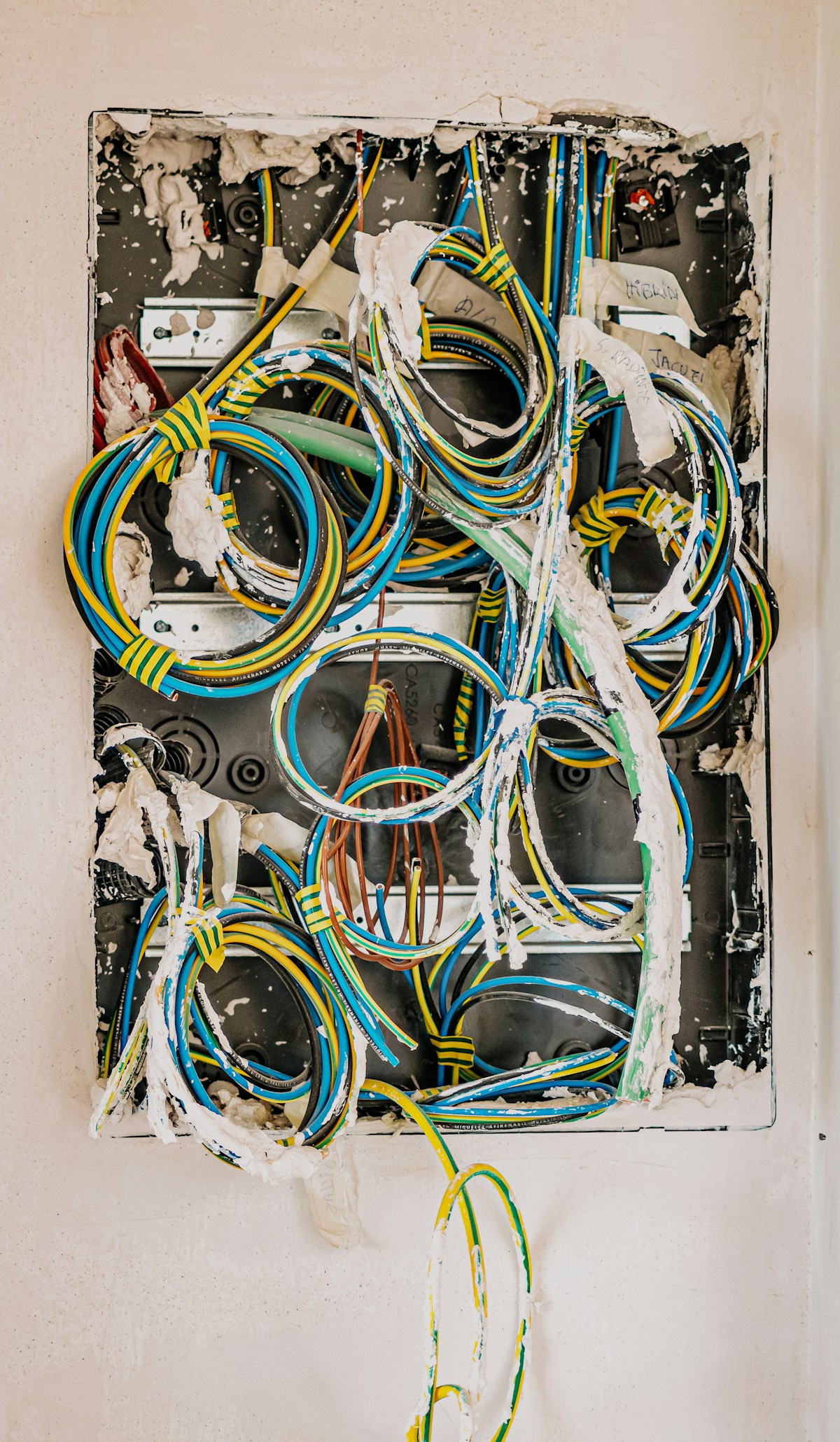
Your electrical panel distributes power throughout your home through individual circuits. Each circuit breaker protects against overloads and short circuits—they’re safety devices, not inconveniences. Understanding your panel helps you identify problems and communicate clearly with electricians.
Panel Components Explained
- Main breaker: Controls power to the entire house—flip this for complete shutoff
- Individual breakers: Protect specific circuits (kitchen, bedrooms, HVAC)
- Labels: Should indicate which rooms or appliances each breaker serves
- Panel rating: Total available amperage (100A, 200A, etc.)
Common Panel Issues
That’s what makes panel knowledge endearing to us homeowners—you can spot problems early:
- Older homes often have undersized panels for modern electrical demands
- Certain panel brands (Federal Pacific, Zinsco) have known safety issues and should be replaced
- Corroded connections and loose wiring create fire hazards
- Double-tapped breakers indicate capacity problems
When Upgrades Are Needed
Adding major appliances, EV chargers, or home additions often requires panel upgrades. Standard upgrades go from 100A to 200A service. Costs vary significantly by region and installation complexity. Permits and inspections ensure everything is done safely and to code.



Stay in the loop
Get the latest northwest electric pros updates delivered to your inbox.