
Energy-Efficient Electrical Solutions for Pacific Northwest Homes
Energy efficiency has gotten complicated with all the products, rebates, and conflicting claims flying around. As someone who’s helped Northwest homeowners reduce their energy bills for years, I learned everything there is to know about what actually saves money. Today, I will share it all with you.
The Northwest climate creates specific challenges and opportunities. Our moderate temperatures make heat pumps particularly effective. Our high electricity rates make efficiency upgrades pay off faster. Understanding which solutions match your situation helps you invest wisely.
LED Lighting: The Obvious Starting Point
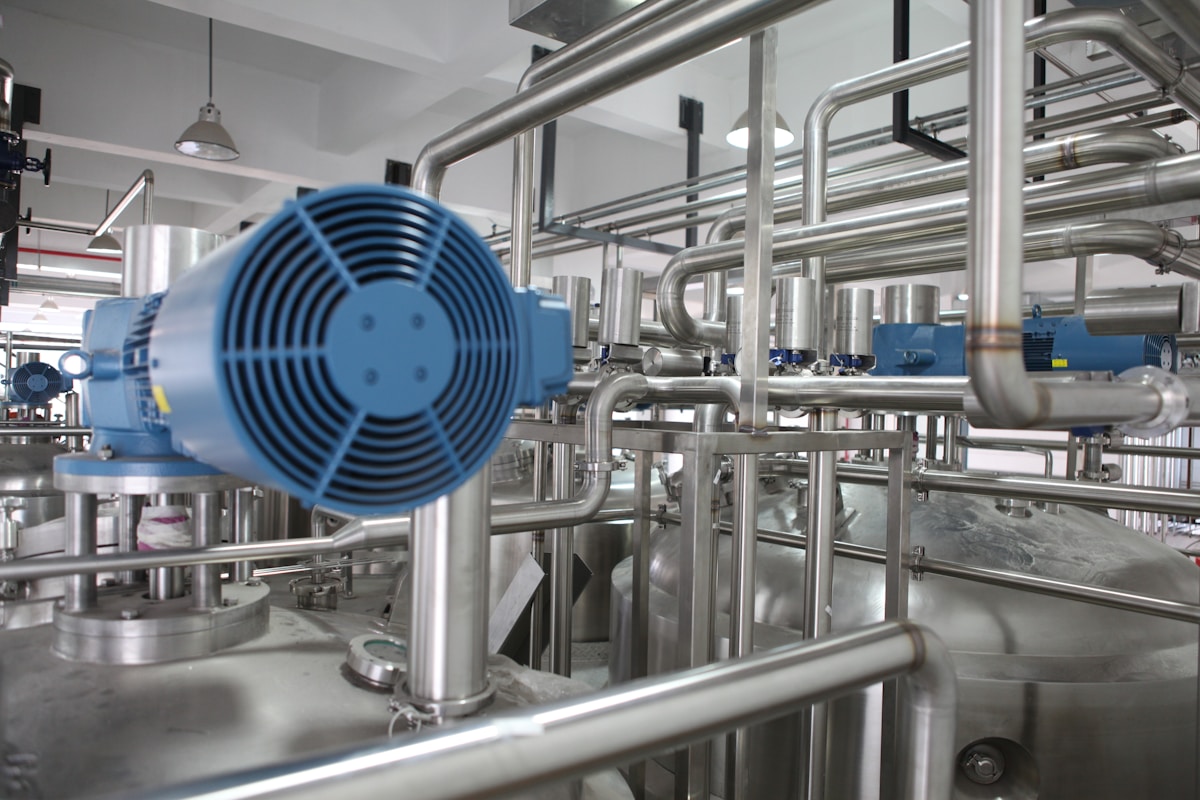
LEDs use 75% less energy than incandescent bulbs and last dramatically longer. For homes with lots of lighting, this single change can noticeably reduce electric bills. The upfront cost is minimal, the savings are real, and there’s no downside.
Smart Thermostats: Automation That Pays
Smart thermostats learn your schedule and adjust temperatures automatically. They don’t heat or cool an empty house. Smartphone control lets you adjust from anywhere. That’s what makes these devices endearing to us efficiency enthusiasts—they optimize without requiring you to remember anything.
Energy Star Appliances
When replacing appliances, Energy Star ratings indicate genuine efficiency. Refrigerators, washers, dishwashers—the rated models use measurably less energy. Over an appliance’s lifetime, the savings often exceed the price difference.
Solar Panels
Solar converts renewable energy into electricity, reducing grid dependence. Significant upfront investment, but tax incentives and long-term savings offset costs. Sunnier areas of the Northwest benefit most. Probably should have led with this section, honestly—solar represents the biggest potential savings for many homes.
Energy-Efficient Windows
Old windows leak heat in winter and let it in during summer. Multiple panes, low-emissivity coatings, and gas fills minimize thermal transfer. Replacement windows maintain indoor temperatures more consistently, reducing HVAC workload.
Insulation and Sealing
Proper insulation and sealing prevent heat transfer, reducing heating and cooling demands. Attics, walls, floors, and gaps around doors, windows, and ducts—addressing these areas improves comfort while lowering bills.
Heat Pumps
Heat pumps transfer heat rather than generating it, making them exceptionally efficient. The Northwest’s moderate climate is ideal for heat pump performance. Air-source, ground-source, and ductless options exist for different situations.
Tankless Water Heaters
Traditional water heaters maintain hot water constantly, wasting energy. Tankless units heat on demand—no energy wasted keeping a tank warm. They take less space and provide unlimited hot water.
Advanced Power Strips
Electronics draw power even when “off”—phantom loads add up. Advanced power strips cut power to devices not in use, eliminating this waste. Simple, cheap, effective.
Energy Monitoring Systems
Real-time tracking shows which devices consume the most power. This information enables informed decisions about where to focus efficiency improvements. Some systems provide alerts and recommendations.
Radiant Floor Heating
Radiant systems warm through the floor surface, providing even heat distribution. Particularly effective in Northwest climates. Electric, water, or air systems available depending on your setup.
Smart Power Outlets
Smart outlets integrate with home automation for remote control of any plugged device. Program them to cut power during inactivity. Reduces waste while adding convenience.
Efficient HVAC Systems
Upgrading to high-efficiency HVAC significantly impacts overall energy use. Variable speed motors use less energy than single-speed. Regular maintenance ensures optimal operation.
EV Charging at Home
Electric vehicles reduce fossil fuel dependence. Home charging stations provide convenient overnight charging. Paired with renewable energy, EVs become even cleaner and cheaper to operate.
Programmable Timers
Timers for lighting and appliances ensure things run only when needed. Particularly useful for outdoor lighting or systems that don’t require constant operation.
Strategic Landscaping
Trees and shrubs provide natural shading and wind protection. Deciduous trees offer summer shade while allowing winter sunlight. Thoughtful landscaping reduces heating and cooling needs naturally.



Stay in the loop
Get the latest wildlife research and conservation news delivered to your inbox.