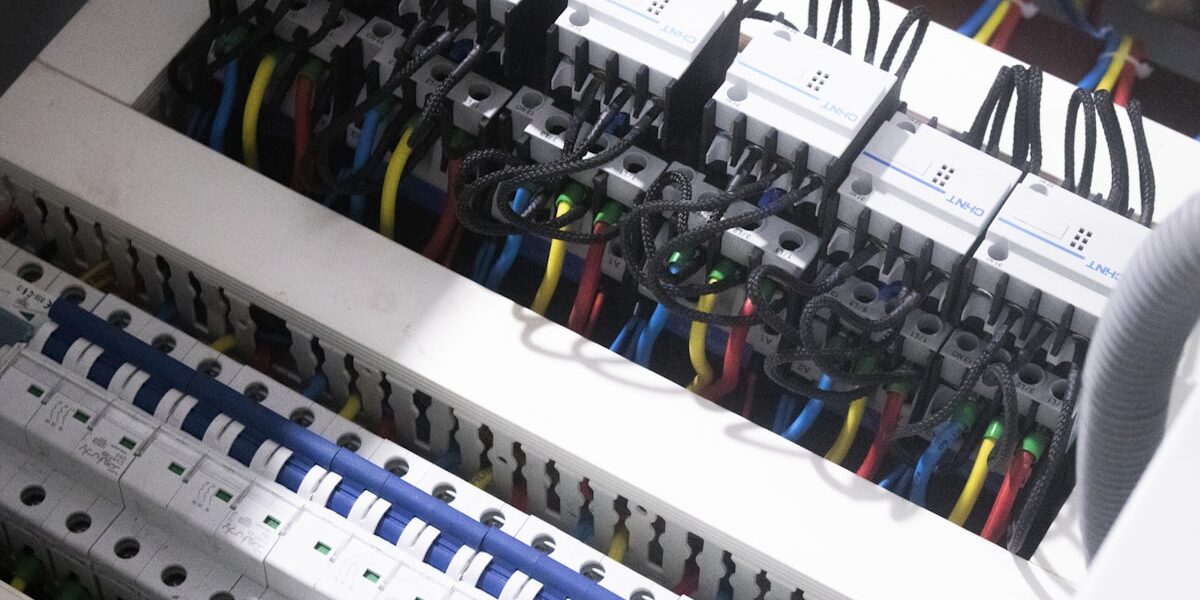
Wiring Inspection
Home wiring inspections have started getting harder to follow with all the testing methods, warning signs, and professional certifications flying around.
What Lurks Behind Your Walls
Probably should have led about this area, honestly—your home’s wiring works invisibly until something goes wrong:
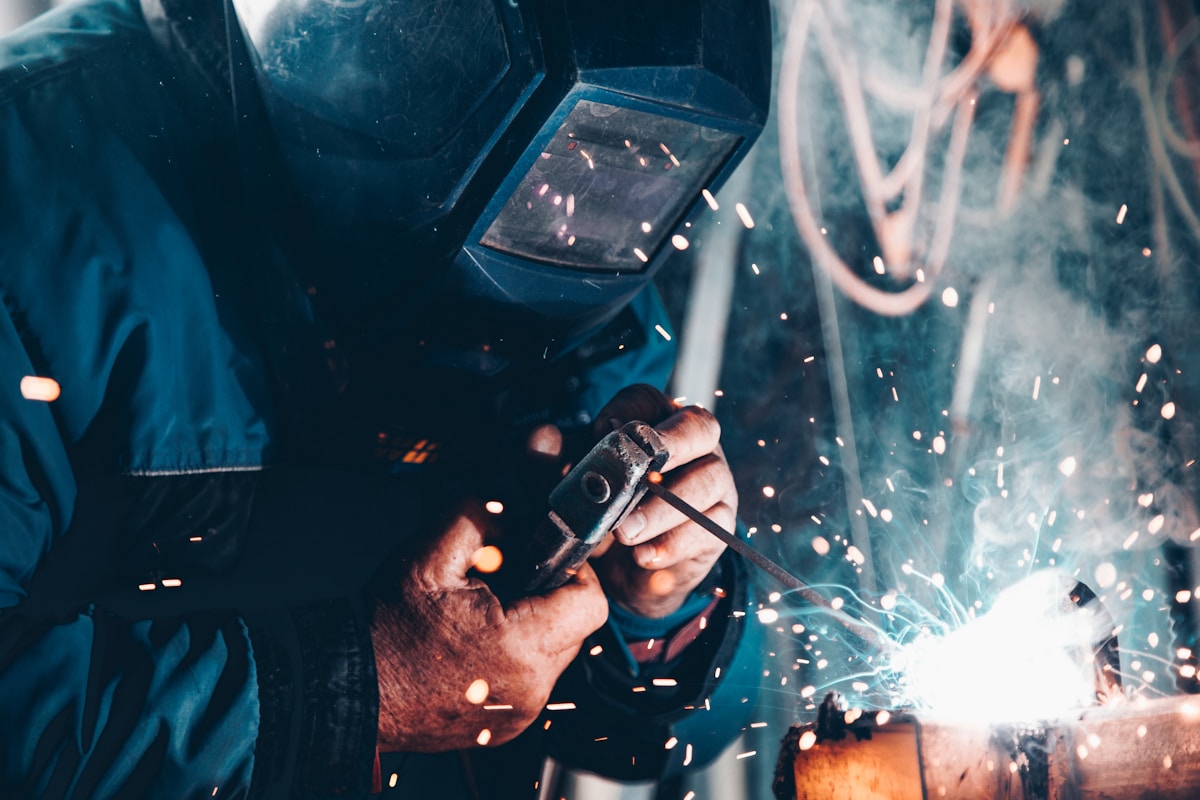
Regular inspections catch problems before they cause fires or equipment damage. Homes over 40 years old especially benefit from professional wiring evaluation.
Warning Signs You Can See
That’s what makes visual inspection endearing to us safety-conscious homeowners—some problems are obvious:
- Discolored outlets suggest overheating
- Warm switch plates indicate loose connections
- Sparking when plugging in devices means wiring problems
- Burning smells with no visible source often indicate overheating wires inside walls
Take these warnings seriously—they don’t go away on their own.
The Professional Inspection Process
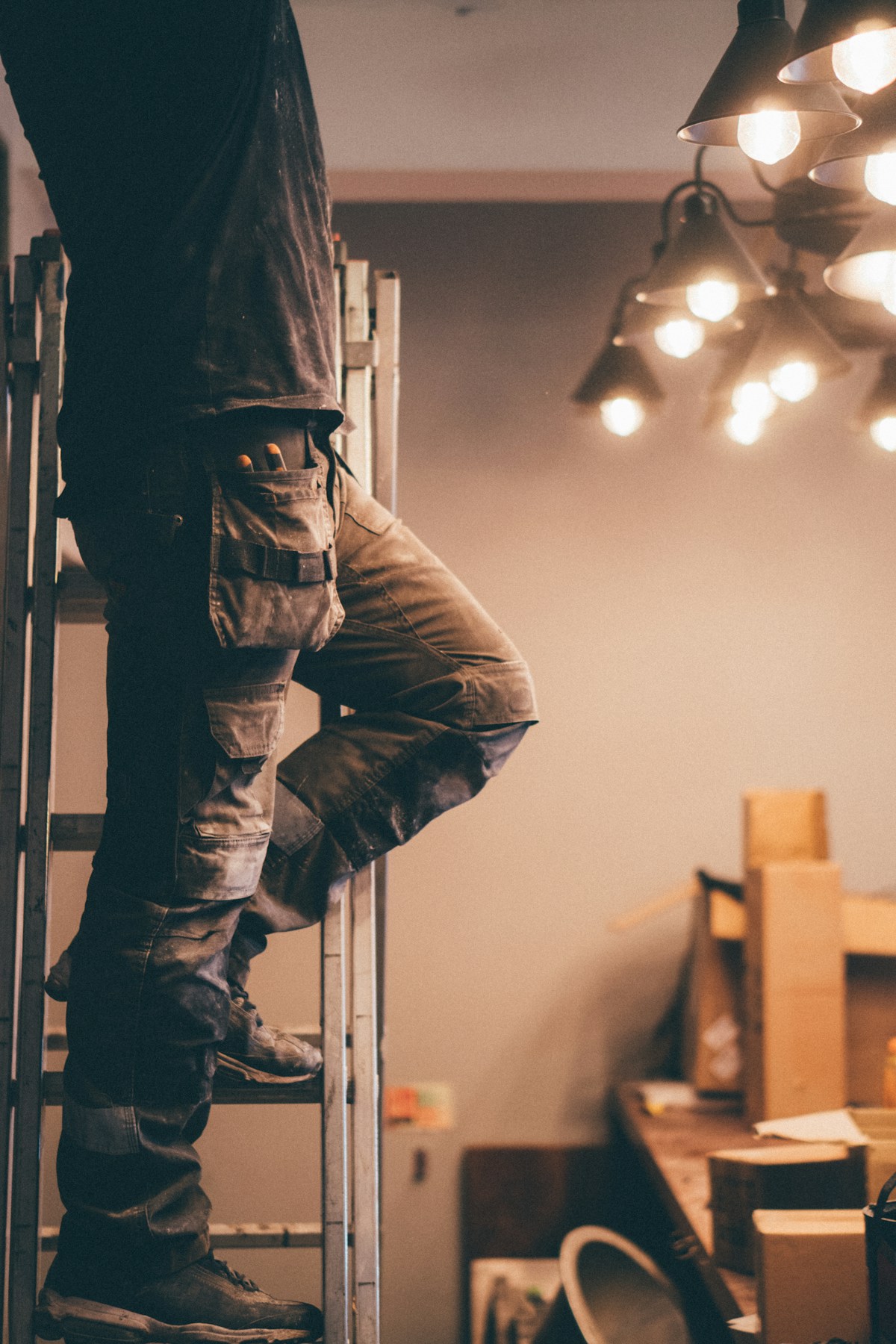
Professional inspections examine your panel, test outlets for proper grounding and polarity, and evaluate visible wiring for damage. Thermal imaging can reveal hot spots in walls that indicate problems. Most inspections take 1-2 hours.
When to Schedule
- Before buying a home
- After any flooding or storm damage
- When adding major appliances
- Every few years for older homes
The small cost of inspection prevents expensive repairs and dangerous situations.


Stay in the loop
Get the latest northwest electric pros updates delivered to your inbox.