
Preparing your home for electrical work has gotten complicated with all the codes, permits, and contractor considerations flying around. As someone who’s worked with homeowners on hundreds of electrical projects across the Pacific Northwest, I learned everything there is to know about what actually makes the difference between smooth projects and disasters. Today, I’ll share it all with you.
Assessing Your Electrical Needs

Probably should have led with this section, honestly — understanding what you actually need is step one. Are you installing new fixtures, upgrading your panel, or adding outlets? Each type requires different preparation levels.
Creating a Plan
Plan the project scope carefully. Draw a layout of your home highlighting existing electrical components. Mark locations for new installations. This helps communicate your needs clearly to an electrician or keeps you organized for DIY work.
Budgeting for the Project
Set a realistic budget. Research material and labor costs. Account for unexpected expenses — electrical work has a way of revealing hidden problems. Having a buffer helps manage unforeseen issues without financial stress.
Hiring a Qualified Electrician
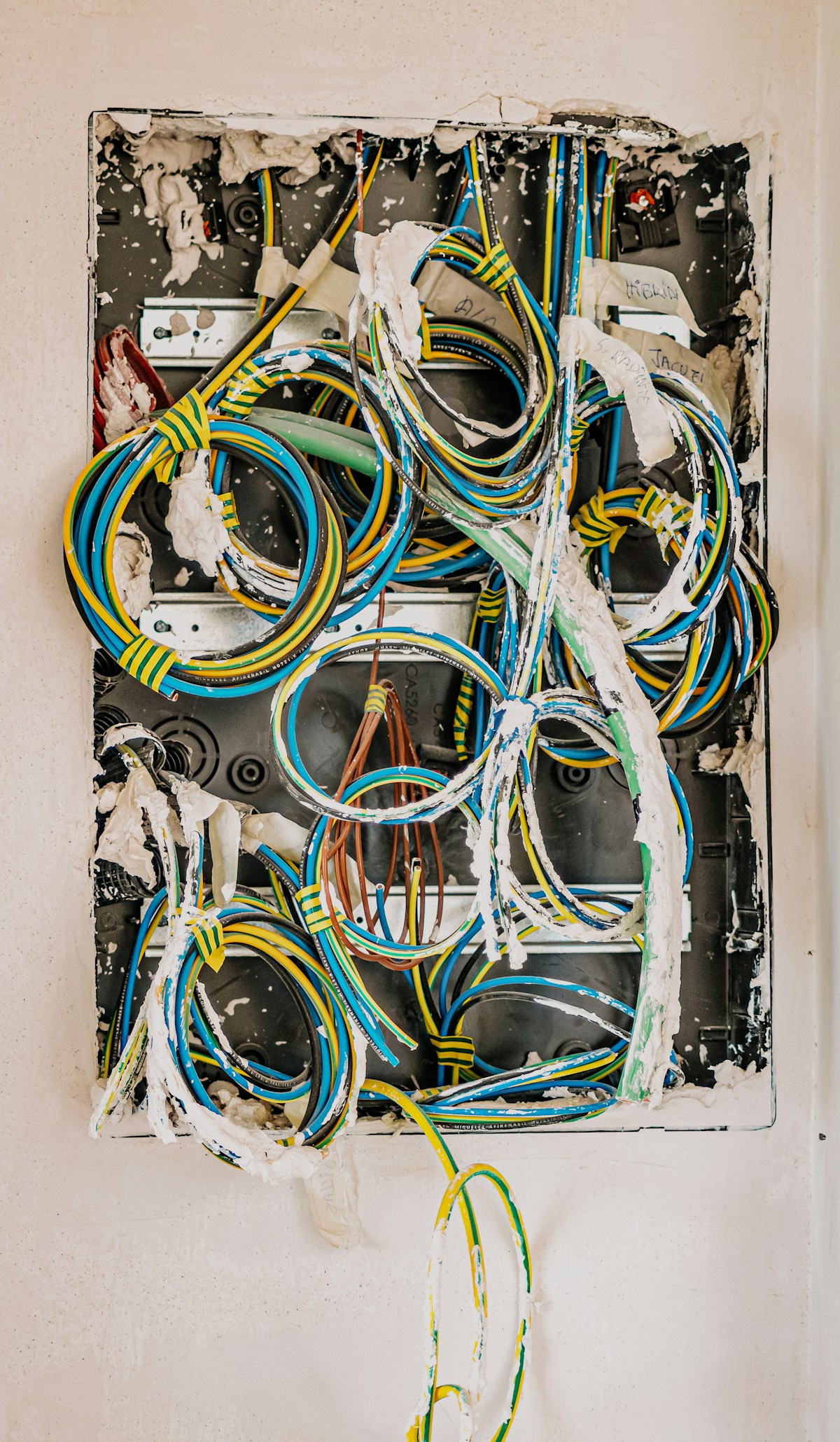
That’s what makes hiring right endearing to us electricians — good homeowners who vet their contractors get better results. Choose someone licensed and insured. Check reviews and ask for references. A good electrician is transparent about qualifications and experience.
Getting Estimates
- Request at least three quotes
- Compare prices and services offered
- Discuss timelines and availability
Detailed estimates help avoid surprises. Ensure all aspects of the job are covered in the quote.
Preparing the Work Area
Clear the area where work will happen. Remove furniture and obstacles. This provides easy access and keeps your possessions safe from damage.
Securing Pets and Children
Keep pets and children away from the work zone. This ensures their safety and minimizes distractions for the electrician doing careful work.
Marking Power Sources
Identify and mark power sources. Label breakers and fuses in the electrical panel. This helps locate circuits quickly during work, preventing unnecessary outages.
Ensuring Safety Protocols
Safety comes first. Inform everyone in the house about the work schedule. Explain the importance of staying clear of the work area. Get basic safety gear if doing work yourself.
Turning Off Power
Turn off power to the area being worked on. This prevents accidents and ensures a safe environment. Use a multimeter to double-check circuits are actually off before starting any work.
Ventilation and Lighting
Ensure proper ventilation if using materials that emit fumes. Set up temporary lighting if the work area will be dark without power. This maintains a safe and efficient workspace.
Gathering Necessary Tools and Materials
Having the right tools and materials beforehand saves time. Basic tools include screwdrivers, wire strippers, pliers, a multimeter, and a drill. Depending on the task, you might need specialized items like fish tapes or conduit benders.
Buying Quality Materials
Invest in quality materials. Cheap components can fail and compromise safety. Purchase the right gauge wires, proper fittings, and reliable circuit breakers.
Preparing for Clean-Up
Electrical work creates debris. Have trash bags and cleaning supplies ready. This maintains a tidy work environment and eases final clean-up.
Completing Permits and Paperwork
Most electrical work requires permits. Check with your local building department about requirements. Permits ensure work meets safety codes and protect you when selling your home. Your electrician typically handles this, but verify before work begins.



Stay in the loop
Get the latest wildlife research and conservation news delivered to your inbox.