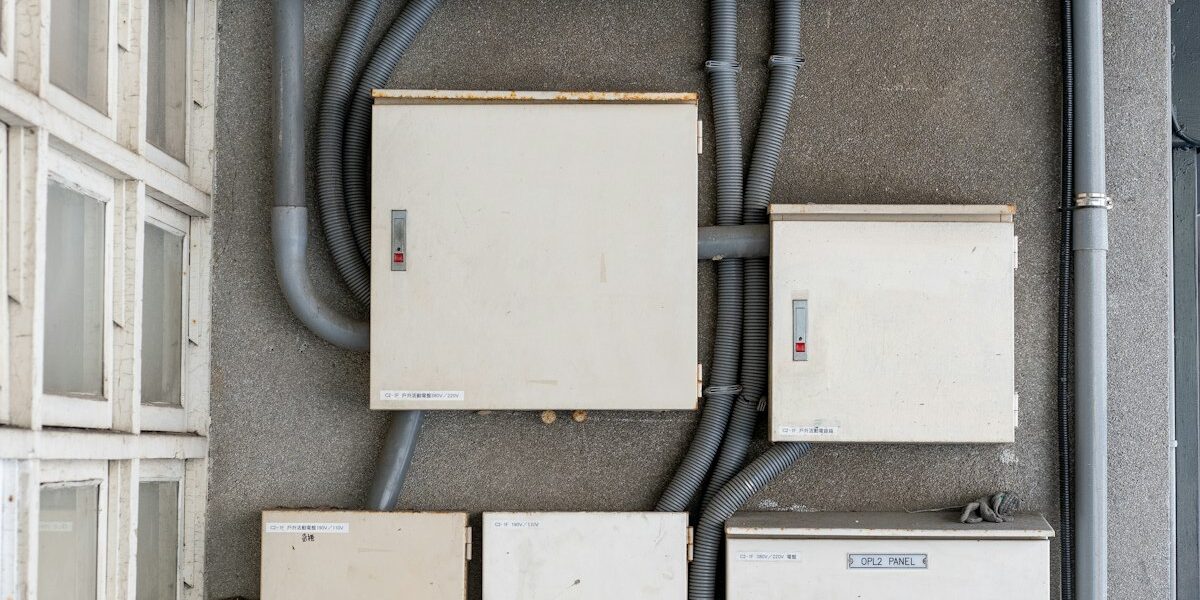
NEC code changes have gotten complicated with all the reorganization and new requirements flying around every three years. As an electrician who’s been through multiple code cycles in the Pacific Northwest, I learned everything there is to know about what actually matters when a new NEC drops. Today, I’ll share what the 2026 edition means for your daily work.
Washington State is targeting adoption by December 31, 2026, with Oregon following its own timeline. Getting ahead of these changes now beats scrambling later.
They Reorganized the Whole Book
Probably should have led with this section, honestly — finding information matters as much as knowing the requirements. The 2026 NEC shuffled major sections around:
- Load Calculations — Used to be in Article 220 (Chapter 2), now lives in Article 120 (Chapter 1 – General Requirements)
- Energy Management Systems — Moved from Article 750 to Article 130
- Limited-Energy and Communications — Consolidated into Chapter 7 (Articles 720-760), no longer split between Chapters 7 and 8
- Medium-Voltage Requirements — Articles 265 through 270 now cover systems over 1000V AC and 1500V DC
Spend time learning the new layout before you’re on a job site trying to find requirements on the fly. Your code lookup speed directly affects your billable time.
Arc-Flash Labels for Everything Now
That’s what makes this code cycle interesting for commercial work — they dropped the 1,000 amp threshold for arc-flash labeling. Every piece of service and feeder-supplied equipment in non-residential buildings needs arc-flash hazard labels now, regardless of amperage.
Labels need to show:
- Nominal system voltage
- Arc flash boundary
- Incident energy levels
- Minimum required PPE
- Date of assessment
This aligns with NFPA 70E requirements. Expect more arc-flash studies and labeling work on commercial and industrial projects going forward.
GFCI Expansion Continues
Ground Fault Circuit Interrupter requirements keep growing:
Residential HVAC Equipment: Single and multi-family dwellings now need GFCI protection for all 208V or 240V single-phase HVAC equipment that’s rated 50 amps or less, serves a dwelling unit, and sits outdoors.
Docks and Piers: Ground-fault protection requirements now cover both branch circuits and feeders supplying docking facilities. Protection must be rated 100mA or less. Marine environments have always been dangerous for electric shock — this tightens things up significantly.
EV Charging Gets Specific
Electric vehicle adoption keeps accelerating in the Northwest, and the 2026 NEC addresses several EV charging details:
- Emergency Shutoffs — Now required for EV chargers in commercial and public settings
- Listed Receptacles — EVSE receptacles must be specifically listed for EV use. Using standard 50A receptacles on 40A circuits is no longer permitted
- SPGFCI Requirements — Single-pole ground-fault circuit interrupter requirements apply to certain EV equipment where voltage-to-ground exceeds 150V (some provisions don’t take effect until January 1, 2029)
Other Safety Additions Worth Knowing
Surge Protection in Sleeping Quarters: Dormitories and fire stations now require surge protection in sleeping areas. Relevant for commercial projects involving these occupancies.
Outdoor Service Disconnects: Single-family and duplex homes need clearly marked outdoor service disconnects. First responders requested this for emergency access — makes sense.
Damaged Equipment Replacement: The 2026 NEC explicitly requires replacing wiring and conductors damaged by water, fire, overloading, or corrosion. Most professional electricians already do this, but now it’s codified.
No More Welded Raceways: Welding raceways is prohibited without exception. Plan your runs to use proper fittings for all connections.
Washington State Timeline
Labor and Industries is amending Chapter 296-46B WAC to adopt the 2026 NEC, replacing the current 2023 edition.
Key dates:
- Fall 2025: 2026 NEC published by NFPA
- December 31, 2026: Proposed effective date for Washington adoption
Washington’s adopting the 2026 NEC in its entirety by reference. The delayed effective date gives everyone time to review and comment.
Oregon’s Likely Timeline
Oregon adopts through the Building Codes Division. Specific 2026 dates haven’t been announced, but Oregon typically follows within 12-18 months of new NEC releases. Watch the Building Codes Division website for official announcements and any state-specific amendments.
Getting Ready Now
Practical steps to stay ahead:
- Order your 2026 codebook early — Learn the new organization before the effective date
- Complete continuing education — Look for NEC 2026 update courses from approved providers
- Review your estimating — Factor in expanded GFCI protection and arc-flash labeling when bidding
- Update your inventory — Stock compliant EVSE receptacles and other new-requirement equipment
- Communicate with customers — Help them understand how new requirements benefit safety
What This Means Going Forward
The 2026 changes reflect where electrical work is headed — more EV infrastructure, enhanced safety requirements, better protection for sensitive electronics. National effective date is September 1, 2026, with Washington State targeting December 31, 2026.
Staying current with code changes is basic professionalism. Start reviewing now rather than cramming later.
Check your state licensing board and electrical contractor associations for the latest adoption updates.


Stay in the loop
Get the latest wildlife research and conservation news delivered to your inbox.