Why GFCI Outlets Keep Tripping
Home electrical troubleshooting has grown more complex with the conflicting advice flying around. So let me cut through it.
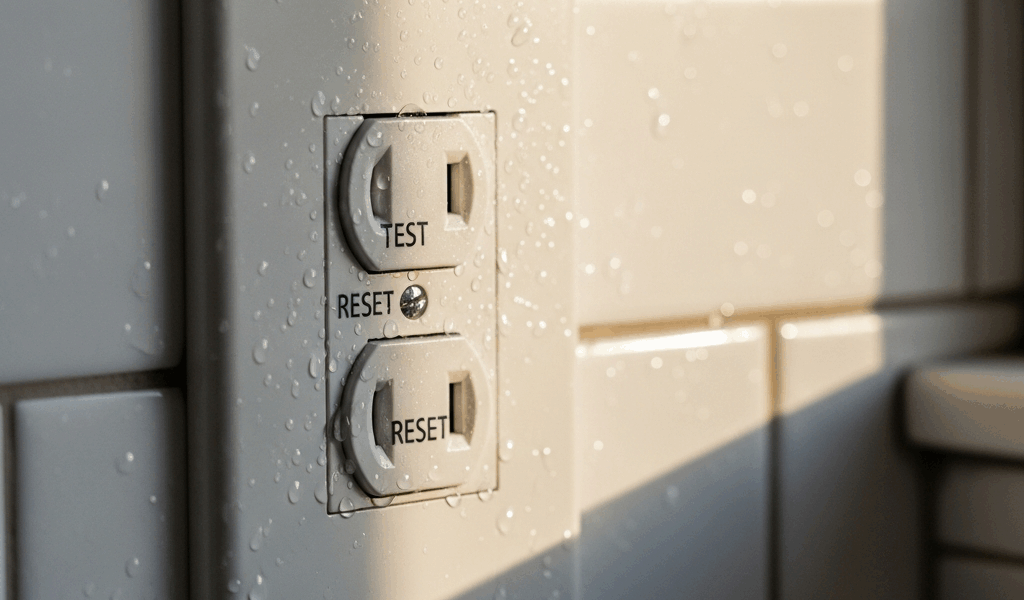
A GFCI outlet trips because it caught something — specifically, an imbalance between the current leaving on the hot wire and the current coming back on the neutral. We’re talking 5 milliamps. That’s it. Less than what you’d feel as a mild tingle. The outlet’s internal relay detects that gap and kills the power almost instantly. It works exactly as designed. The hard part is figuring out what created the imbalance.
I spent a full weekend last August chasing a bathroom outlet that wouldn’t hold a reset longer than an hour. My Leviton GFCI kept bouncing. First instinct was to yank it out and buy a replacement — they run about $18 at Home Depot. Instead, I walked through the same diagnostic sequence a licensed electrician would use. Saved myself sixty bucks and two wasted trips across town.
But what causes a GFCI to trip repeatedly? In essence, it comes down to three things: moisture inside the outlet box or a connected device, a downstream appliance with an internal fault, or the GFCI unit itself wearing out. But it’s much more than just swapping hardware. Most homeowners skip straight to option three and buy a new outlet. Learn from what tripped me up. The answer is almost always hiding in options one or two.
Check What’s Plugged In — Before You Do Anything Else
The piece that matters most here. It requires zero tools and fixes the problem roughly forty percent of the time.
Here’s the thing people forget: a GFCI outlet isn’t just protecting itself. It protects every standard outlet wired downstream on that same circuit. Your bathroom GFCI might be covering the hallway outlet, the bedroom outlet near the door, maybe even something in an adjacent closet. That’s what makes GFCI protection endearing to us homeowners — broad coverage from a single device. It’s also what makes diagnosis annoying when something downstream is misbehaving.
So, without further ado, let’s dive in. Flip off the breaker serving that GFCI. Unplug everything — every lamp, every phone charger, every device connected to the GFCI itself and any outlet it protects downstream. Turn the breaker back on. Press the reset button. If it holds with nothing drawing power, something you unplugged was causing the trip.
Now plug items back in one at a time. Reset the GFCI after each addition. The moment it trips, you’ve found the culprit. Common offenders include:
- Older appliances with frayed or deteriorating power cords
- Outdoor power tools — especially older drills or saws stored in damp garages
- Refrigerators or freezers with worn insulation around the compressor
- Space heaters, humidifiers, or fans that live in humid rooms
- Phone chargers or extension cords more than five or six years old
Identify the device, unplug it permanently or replace it. Done. That’s the whole fix for nearly half the people who call electricians about nuisance GFCI trips — and they’re paying $150 service minimums to hear exactly this.
Look for Moisture Inside the Box
Bathroom outlets near sinks. Basement outlets in damp crawl spaces. Garage walls that breathe with the seasons. These don’t need standing water to cause problems — condensation on the brass terminals is enough to trigger that 5-milliamp threshold every single time.
Turn off the breaker first. Remove the cover plate with a flathead screwdriver and take a close look at the outlet itself. Discoloration on the brass screws, white chalky corrosion buildup, or actual moisture beads inside the box all point to humidity. If the outlet is in a garage or exterior wall location, check whether it has a proper weatherproof cover — not just the standard flat plastic plate. You want a bubble cover, the kind with a hinged lid that seals around the plug even when something is inserted. They cost about $7 and get overlooked constantly.
Frustrated by a humidity problem in a kitchen island outlet last spring, I dried out the box using a hair dryer on low heat, holding it roughly six inches back for about two minutes. The outlet reset and held. Temporary fix — I knew that going in. But it bought enough time to replace the outlet properly and install a better cover without rushing the job on a Sunday night.
Do not spray compressed air, WD-40, or anything else into an electrical outlet. Ever. If the outlet trips immediately after reset even with nothing plugged in and the box looks dry, you may have a leak inside the wall or ceiling above it. That’s a contractor conversation, not an electrician’s scope — but it absolutely needs addressing, or every new GFCI you install will fail the same way.
Test Whether the GFCI Outlet Itself Has Failed
GFCI outlets wear out. Manufacturers rate them for 10 to 20 years depending on environment — and I’m apparently rougher on them than average, because the ones in my 1987 ranch house started failing closer to the 12-year mark. Humid climates hit that earlier end hard. Coastal areas, basements, bathrooms. After 15 years, expect problems.
Here’s the diagnostic moment: unplug everything downstream, plug nothing into the outlet itself, and press reset. If it holds for several hours — or overnight — with zero load, the outlet is probably fine and the fault lives somewhere else. If it trips within minutes or immediately, the internal sensor is likely shot.
A plug-in GFCI tester might be the best option here, as proper diagnosis requires an actual load test. That is because visual inspection alone won’t catch a sensor that’s become hypersensitive or one that’s stopped responding entirely. These testers run $8 to $12 at any home improvement store — I use a Klein Tools model, though the Sperry Instruments version works the same way. Plug it in. It lights up to confirm grounding and outlet wiring. Hit the test button. If the GFCI trips and cuts power, the outlet is functional. If nothing happens, the outlet is bad.
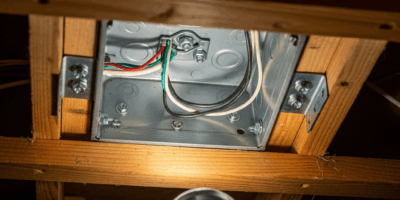
Replacing a GFCI outlet is manageable DIY work — at least if you’re comfortable inside an electrical box and can identify your wires. Turn off the breaker. Remove the cover plate. Unscrew the outlet from the box and pull it forward carefully. Note which wire goes where: hot to the brass screw, neutral to silver, ground to green. Connect the new outlet identically. Screw it back into the box, restore power, test it. Twenty minutes, maybe less if the box isn’t crowded.
While you won’t need a full electrician’s toolkit, you will need a handful of basics — a non-contact voltage tester ($15–$20), a flathead and Phillips screwdriver, and needle-nose pliers. First, you should confirm the breaker is actually off with that voltage tester — at least if you want to keep all your fingers.
Know your limits, though. If the outlet trips at the breaker level — meaning the breaker itself is flipping, not just the GFCI — that’s a different problem entirely. Multiple GFCI outlets failing on the same circuit suggests a wiring or grounding fault deeper in the system. Burn marks, pitting, or anything that smells hot near the box means you stop immediately and call a professional.
When to Call an Electrician Instead
Some situations belong in a licensed electrician’s hands. This isn’t gatekeeping — it’s about complexity and what’s actually at stake.
If the GFCI trips and the breaker flips at the same moment, you have a serious ground fault somewhere in the circuit. If you’ve already replaced the GFCI outlet and the brand-new one trips immediately, the fault is in the wiring or a permanent ground problem downstream. If there’s pitting, burn marks, or any acrid smell near the outlet box, turn off the power at the panel and make the call.
A working electrician will trace the circuit with a multimeter, test for continuity and resistance, and isolate whether the fault lives in the outlet, the wiring run, or a connected device. They might pull drywall to inspect the wire directly. It’s methodical, it takes time, and that’s why a service call runs $150 to $250. That’s the cost of actually resolving the problem rather than chasing it for months.
This new wave of DIY electrical guides took off several years ago and has eventually evolved into the deep rabbit hole enthusiasts know and navigate today. Some of it is genuinely useful. Some of it skips the safety steps that matter most.
Start with the easiest diagnostics. Check what’s plugged in. Look for moisture. Test the outlet itself. Nine out of ten nuisance GFCI trips resolve in one of those three steps. If yours doesn’t — at minimum, you’ve handed a licensed electrician a clear picture of what you’ve already ruled out. That speeds up their diagnosis and cuts your bill. Nobody loses.



Stay in the loop
Get the latest northwest electric pros updates delivered to your inbox.