Generator Installation
Generator selection and installation has gotten complicated with all the sizing calculations, fuel options, and code requirements flying around. As someone who has installed backup power systems for Northwest homes and seen what happens when the power goes out, I learned everything there is to know about getting this right. Today, I will share it all with you.
Why Backup Power Matters Here
Probably should have led with this section, honestly—Northwest storms knock out power regularly:
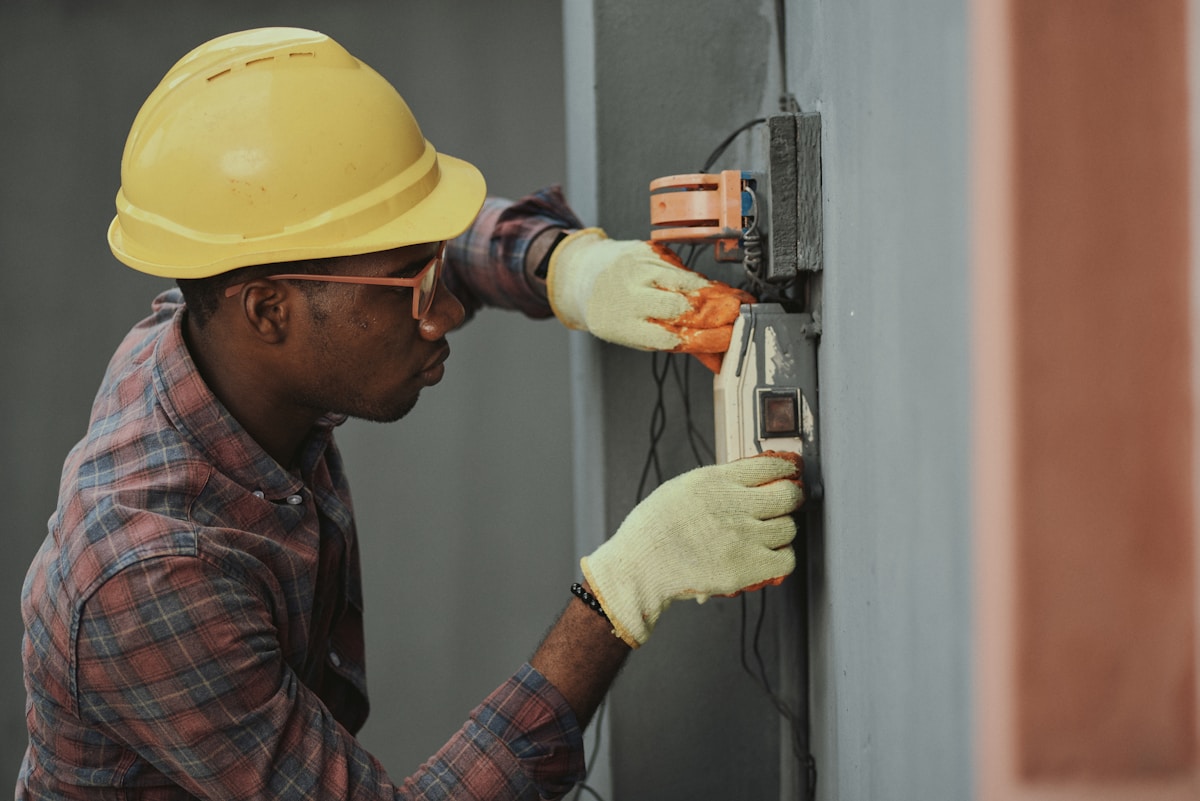
Extended outages mean spoiled food, no heat, and disrupted life. Standby generators provide automatic backup power, starting within seconds of an outage.
Sizing Matters
That’s what makes proper sizing endearing to us practical homeowners—it prevents both underperformance and wasted money:
- Generators are rated in kilowatts (kW)
- A 10kW unit powers essential circuits
- A 20kW generator runs most of a typical home
- Proper sizing prevents overloading while avoiding paying for unused capacity
The Transfer Switch Requirement
Generators can’t connect directly to your panel—that would backfeed electricity into utility lines and endanger workers. Transfer switches isolate your home from the grid during generator operation. This component is required by code.
Fuel Options

- Natural gas: Uses your existing gas line for unlimited runtime
- Propane: Requires a tank but works where gas isn’t available
- Diesel: Offers fuel efficiency for heavy use
Placement and Permits
Generators need clearance from windows, property lines, and combustibles. Local codes specify setback requirements. Permits ensure your installation meets safety standards and doesn’t violate noise ordinances.
Investment and Returns
Whole-house generators cost $5,000-15,000 installed. They add home value and provide peace of mind. For homes with medical equipment needs or home offices, backup power is nearly essential infrastructure.



Stay in the loop
Get the latest wildlife research and conservation news delivered to your inbox.