
Circuit Breaker Guide
Circuit breakers have gotten complicated with all the types, ratings, and technical jargon flying around. As someone who has replaced hundreds of breakers and explained them to homeowners, I learned everything there is to know about how these devices actually protect your home. Today, I will share it all with you.
What Circuit Breakers Actually Do
Probably should have led with this section, honestly—breakers are your home’s first line of defense against electrical fires:

When electrical current exceeds safe levels, breakers trip automatically to cut power. This happens in milliseconds—faster than wiring can heat to dangerous temperatures. Without this protection, overloaded wires could ignite insulation inside your walls.
Different Types for Different Jobs
That’s what makes breaker selection endearing to us safety-minded homeowners—each type serves a specific function:
- Standard breakers: Protect against overloads and short circuits
- AFCI breakers: Add arc-fault detection for bedrooms and living areas
- GFCI breakers: Protect wet locations like bathrooms and kitchens
Modern breakers handle this job reliably for decades. The typical residential breaker is rated for 10,000 operations—it can trip and reset thousands of times before wearing out.
Signs Your Breakers Need Attention
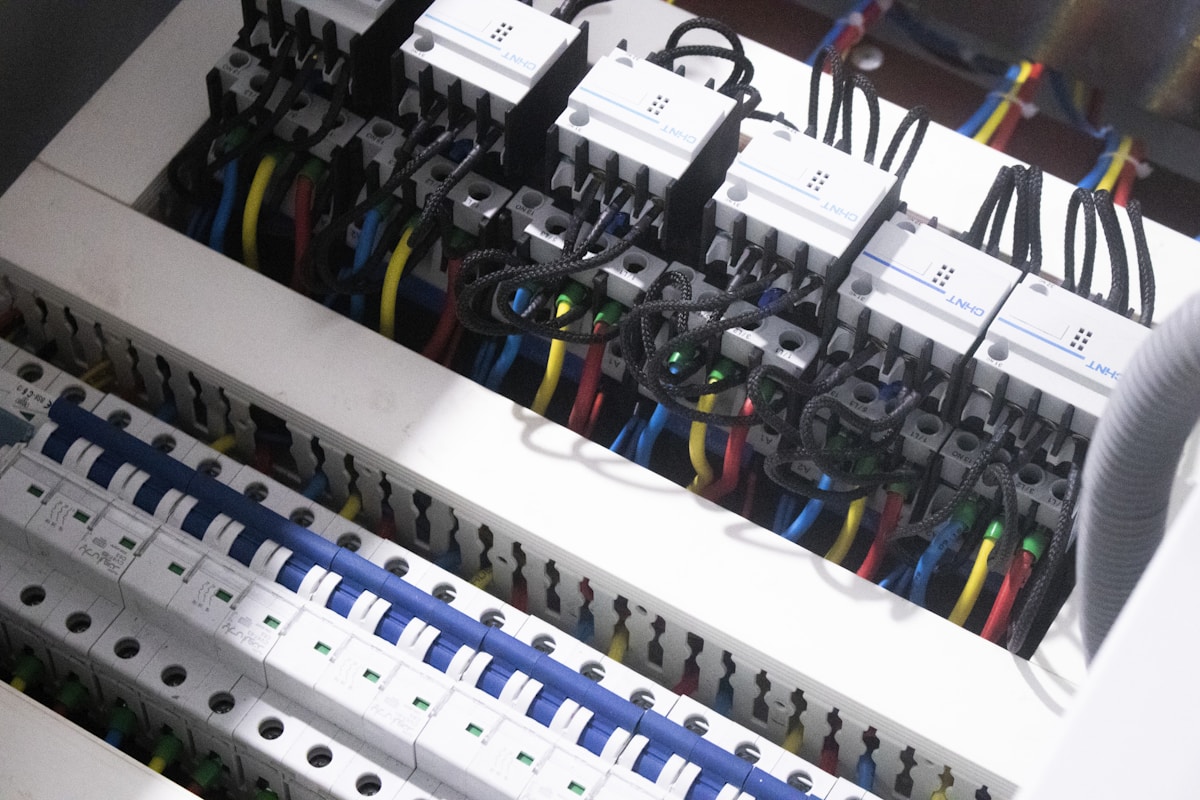
Breakers that trip frequently signal a problem. Sometimes the circuit is overloaded with too many devices. Other times the breaker itself is failing. Breakers that won’t stay reset or feel warm to the touch need immediate professional evaluation.
Professional Assessment Matters
While you can reset a tripped breaker yourself, diagnosing why it tripped requires expertise. Licensed electricians test breaker function, evaluate circuit loading, and recommend upgrades when needed. Don’t ignore repeated trips—they’re warning signs.




Stay in the loop
Get the latest wildlife research and conservation news delivered to your inbox.