
Bathroom GFCI Requirements and Fixture Clearances Explained
Bathroom electrical safety rules have turned into a moving target with all the clearance distances, GFCI requirements, and code updates flying around.
Why Bathrooms Are Different
Probably should have led in this part, truthfully—water and electricity don’t mix, and bathrooms present unique challenges:

Building codes address these challenges with specific requirements. Understanding these rules helps ensure your bathroom is both functional and safe.
GFCI Protection Is Non-Negotiable
That’s what makes GFCI requirements endearing to us safety-focused electricians—they save lives:
- All bathroom outlets must have GFCI protection
- This applies when outlets are replaced in existing homes
- This applies to all new construction
- GFCIs prevent electrocution when wet hands contact faulty appliances
Clearance Requirements
- Outlets can’t be installed within 3 feet of bathtubs and showers
- Light fixtures above showers need wet-location ratings
- Fixtures must maintain specific clearances from water sources
- Exhaust fans have their own installation requirements
Circuit Loading Considerations
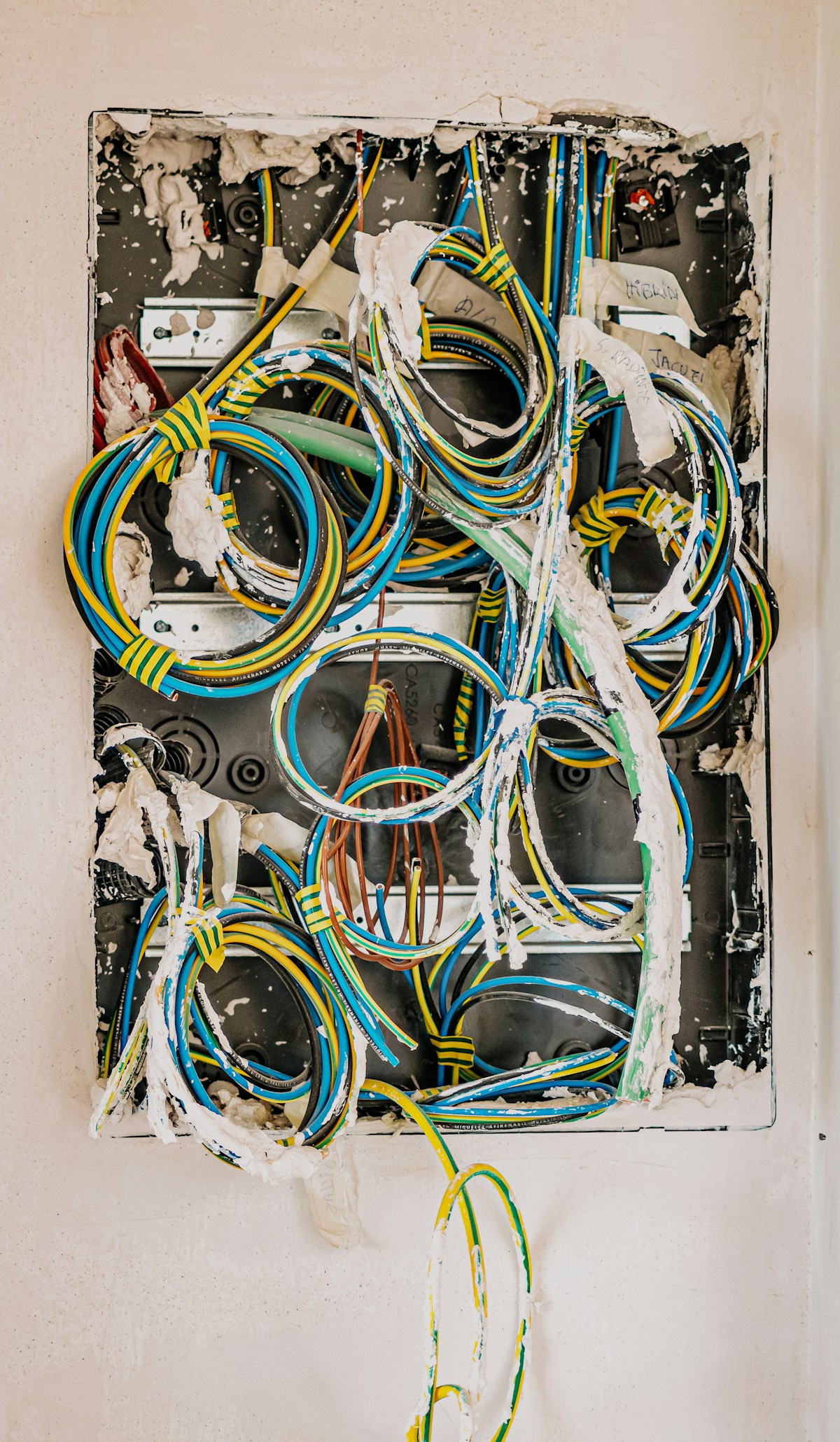
High-wattage devices like hair dryers and curling irons stress bathroom circuits. Code requires at least one 20-amp circuit serving bathroom outlets. Many homes benefit from multiple bathroom circuits.
Ventilation Fan Wiring
Exhaust fans remove moisture that damages homes. Timer switches run fans long enough to clear humidity. Fan/light combinations need proper wiring for independent control. Quality fans with quiet motors make a noticeable difference in daily use.
If an exhaust fan keeps running after the switch is turned off, use the bathroom fan won’t turn off diagnostic to distinguish a normal humidity, timer or continuous-ventilation cycle from a control or wiring fault.




Stay in the loop
Get the latest northwest electric pros updates delivered to your inbox.