
How to Prep Your Electrical Panel for Level 2 EV Charging
EV charging infrastructure has gotten less clear-cut with all the charger types, panel capacity calculations, and installation options flying around.
Why Level 2 Matters
Probably should have led about this area, honestly—the charging level difference is dramatic:
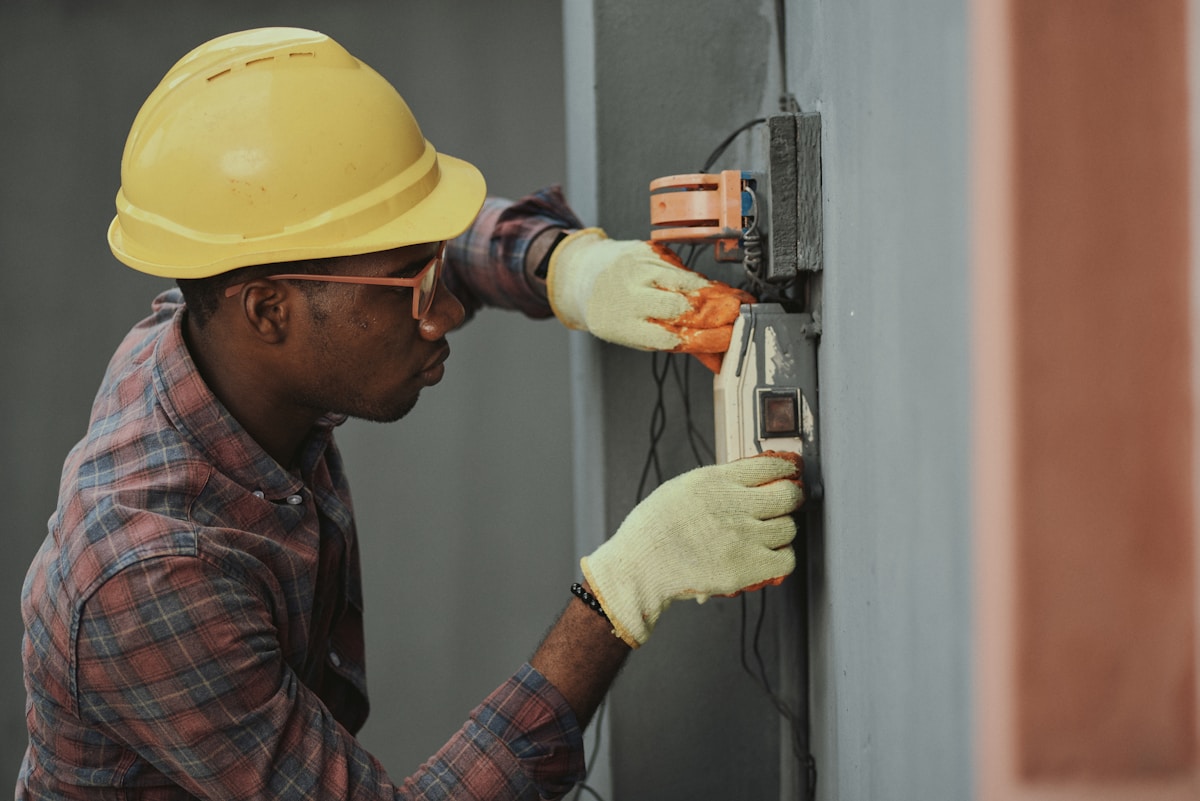
- Level 1 charging uses standard 120V outlets but adds only 3-5 miles of range per hour
- Level 2 charging at 240V adds 25-30 miles per hour
- For daily driving, Level 2 makes EV ownership practical
What Your Panel Needs
That’s what makes panel evaluation endearing to us planning-minded electricians—it determines your options:
- Level 2 chargers require 40-50 amp circuits
- Many older homes lack spare panel capacity
- Upgrading from 100-amp to 200-amp service may be necessary
- An electrician can evaluate your specific situation
Installation Options

Some homeowners install just a 240V outlet, allowing portable Level 2 chargers. Others hardwire dedicated charging stations for cleaner appearance and faster charging. Both approaches work well depending on your preferences.
Costs and Incentives
EV charger installation typically costs $500-2,000 depending on existing infrastructure. Federal tax credits, utility rebates, and state incentives can offset much of this cost. Check current programs before installation—the savings can be substantial.



Stay in the loop
Get the latest northwest electric pros updates delivered to your inbox.