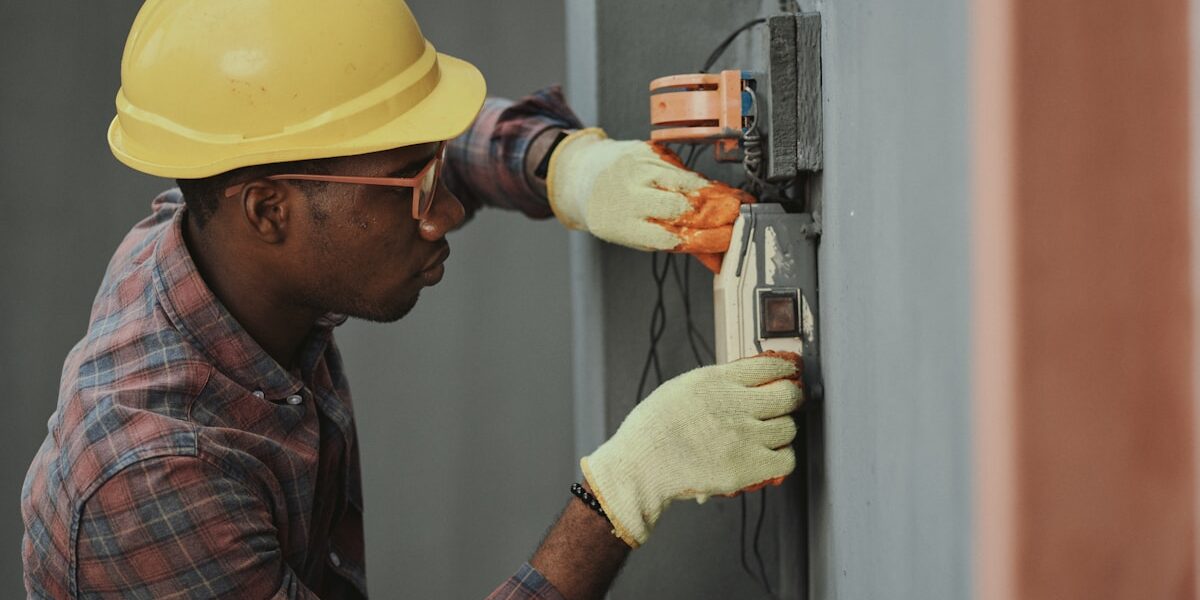
Smart Home Wiring
Smart home electrical planning has gotten messy with all the protocols, hub requirements, and future-proofing advice flying around.
Smart Homes Need Smart Infrastructure
Probably should have led in this part, truthfully—smart home technology only works as well as the electrical infrastructure supporting it:
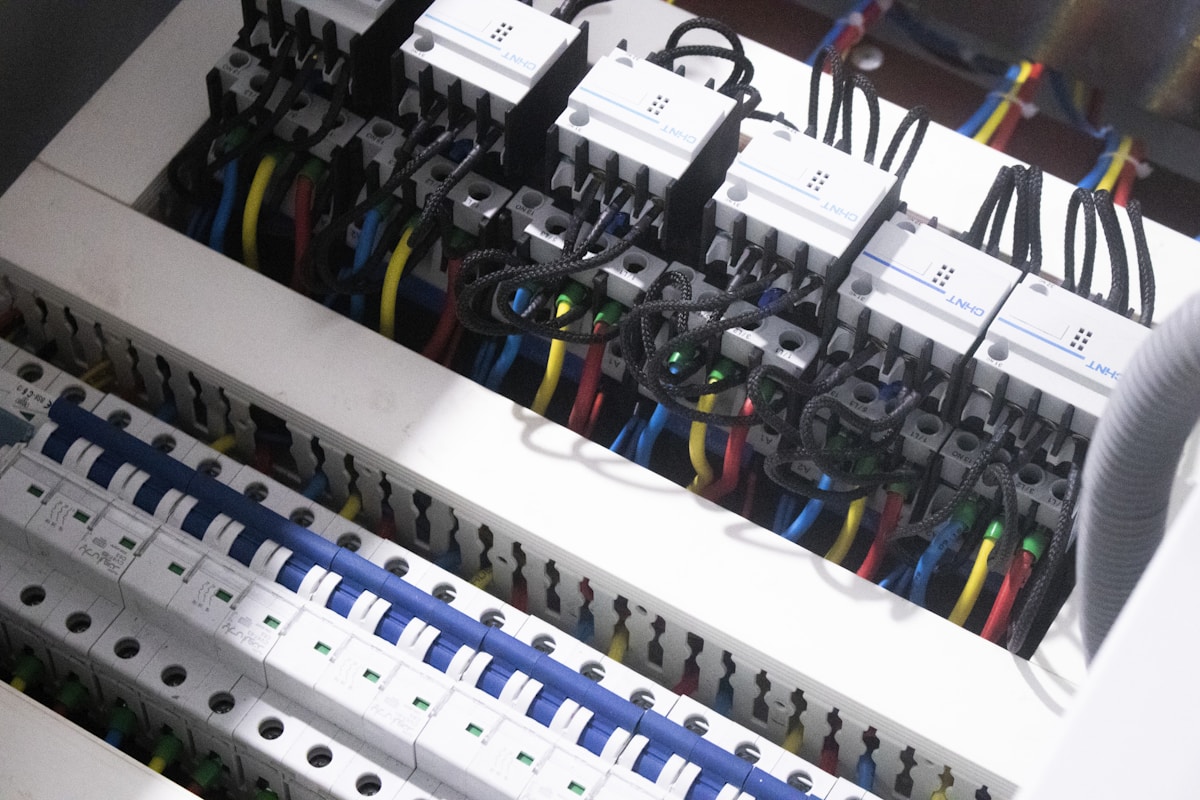
Voice-controlled lights, automated thermostats, security cameras, and connected appliances are no longer futuristic fantasies. But without proper wiring, they become frustrating instead of convenient.
WiFi Isn’t Everything
That’s what makes hardwired connections endearing to us reliability-minded homeowners—they just work:
- Ethernet cables provide faster, more stable connections
- Security cameras perform better on wired connections
- Streaming devices don’t buffer on hardwired networks
- Home automation hubs communicate more reliably
Dedicated Circuits for High-Draw Devices
Smart appliances, EV chargers, and whole-house systems need properly sized circuits. Running these devices on shared circuits causes problems. Plan electrical capacity before adding major smart home components.
Strategic Outlet Placement

Smart devices need power where they make sense, not where builders happened to put receptacles decades ago. Adding outlets during remodeling costs far less than retrofitting later.
Protecting Your Investment
Smart devices contain sensitive electronics vulnerable to power surges. Whole-house surge protection safeguards thousands of dollars in smart home equipment. It’s essential infrastructure for connected homes.
Working With Professionals
Electricians experienced with smart home systems understand the unique requirements. They can plan infrastructure that accommodates both current devices and future expansion—foresight that prevents costly rewiring later.



Stay in the loop
Get the latest northwest electric pros updates delivered to your inbox.