
Charging your EV has started getting harder to follow with all the options, cables, and charging networks flying around. As an electrician who’s installed home charging systems throughout the Pacific Northwest, I sat down and learned keeping electric vehicles powered up. Today, I’ll share it all with you.
Understanding Your Options
Probably should have led on this point, to be plain — you have more choices than most new EV owners realize. The three main approaches are Level 1 (regular outlet), Level 2 (dedicated circuit), and DC fast charging (commercial stations). Each fits different driving patterns and home situations.
Level 1: The Simple Option
Every EV comes with a charger that plugs into standard 120-volt outlets. It adds about 4-5 miles of range per hour — slow, but adequate if you drive under 30 miles daily and can charge overnight. No installation needed, just plug in.
Level 2: What Most Homeowners Need
A 240-volt circuit (same voltage as a dryer) plus a Level 2 charger adds 25-40 miles of range per hour. That’s what makes Level 2 charging endearing to us electricians — it handles real-world daily driving with overnight charging, and installation is straightforward in most homes.
DC Fast Charging: For Trips
Commercial fast chargers along highways can add 60-100+ miles in 20 minutes. Use these for road trips and emergency top-ups, not daily charging. They’re more expensive per kWh and faster charging degrades batteries slightly more over time.
Setting Up Home Charging
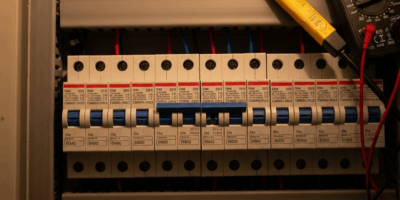
For Level 2 installation, you’ll need a 240-volt circuit run to your parking spot. If your electrical panel has available capacity, this is typically a straightforward project. Older homes may need panel upgrades first.
Hardwired chargers are cleaner looking and often more reliable than plug-in models. Either works — the electrical installation is similar.
Managing Charging Costs
Most Northwest utilities offer time-of-use rates that make overnight charging significantly cheaper. Program your charger to start at off-peak hours and your electricity costs drop substantially. Some utilities offer dedicated EV rate plans worth investigating.



Leave a Reply