
Electrical permits in the Pacific Northwest have grown more complex with the requirements and exemptions flying around. As an electrician who’s pulled permits throughout Washington and Oregon, I got hands-on with when permits are required and why they matter. Today, I’ll share it all with you.
What Electrical Permits Do
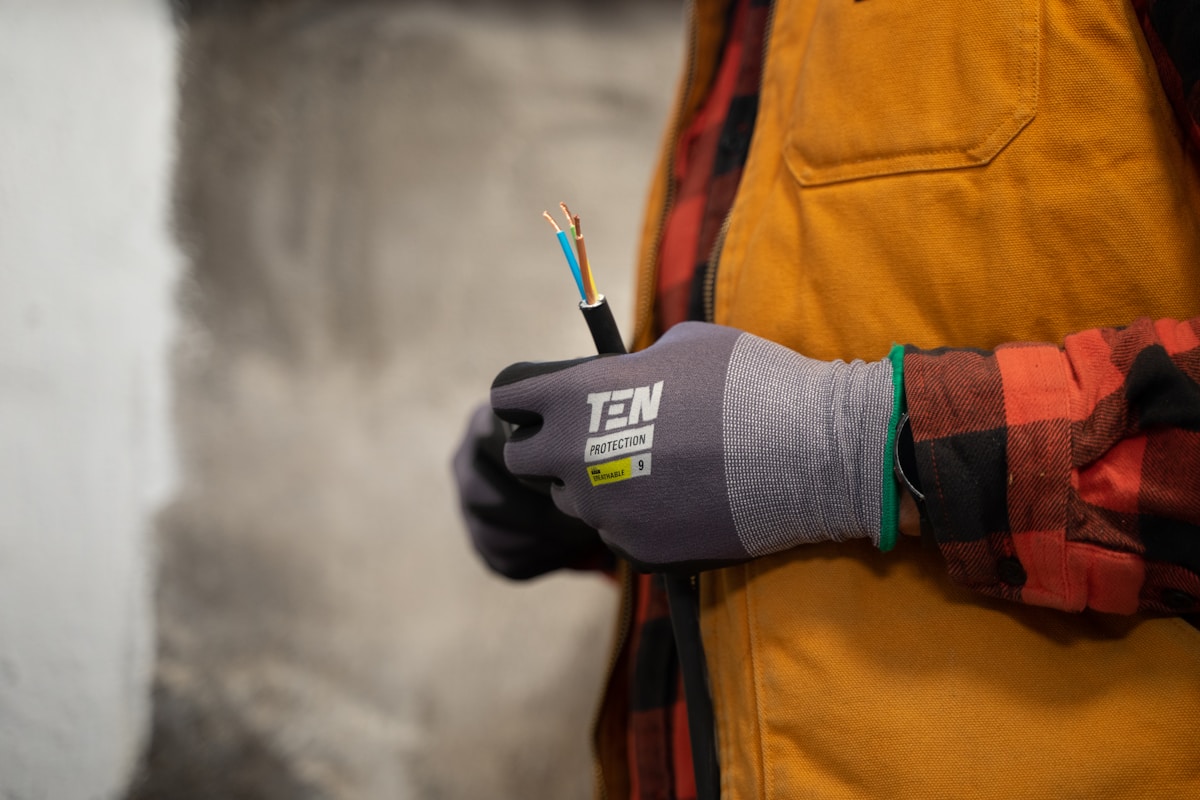
Probably should have led in this section, frankly — permits aren’t bureaucratic obstacles. They’re safety mechanisms. When you pull a permit, an inspector verifies the work meets code requirements designed to prevent fires and electrocution. That inspection catches mistakes before they become disasters.
Why Permits Matter

That’s what makes permit requirements endearing to us safety-focused types:
- Safety Verification: Inspectors catch improper connections, undersized wiring, and code violations before they cause problems.
- Insurance Protection: Unpermitted work can void coverage if fires or injuries occur.
- Property Value: Unpermitted work creates complications during home sales and can reduce value.
- Legal Compliance: Unpermitted work can result in fines, required removal, and forced compliance.
What Requires Permits
Most electrical work beyond simple fixture swaps requires permits. Panel upgrades, new circuits, wiring additions, and service changes all need permits. Even some homeowner-performed work requires permits if it involves the electrical system.
The Cost Is Worth It
Permit fees are modest compared to the consequences of unpermitted work. A few hundred dollars for peace of mind, legal compliance, and insurance protection is a reasonable investment. The inspection process often catches issues that would cause problems later.



Stay in the loop
Get the latest northwest electric pros updates delivered to your inbox.