
Why Electrical Code Compliance Matters in the Pacific Northwest
Electrical code compliance has shifted noticeably with all the regulations and updates flying around.
Code compliance isn’t bureaucratic box-checking—it’s the foundation of electrical safety. In our region, specific weather challenges make proper compliance even more critical.
What Electrical Codes Actually Are

The National Electrical Code provides baseline standards for wiring, equipment, and installation practices. Local authorities adapt these for regional needs. Codes update regularly to incorporate new safety technologies.
Safety Is the Point
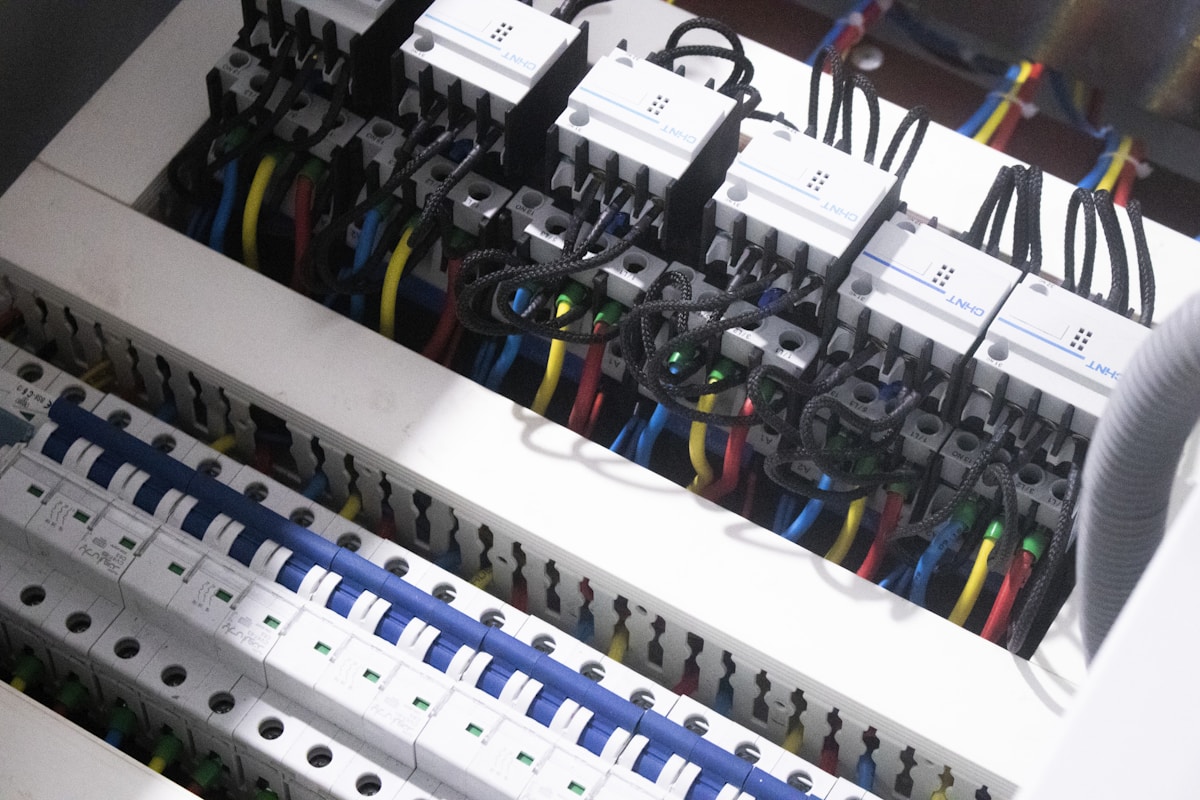
Proper code compliance prevents fires—faulty wiring causes countless residential fires annually. It prevents electrocution through required insulation and grounding. That’s what makes code adherence endearing to us safety-focused electricians—it saves lives.
Non-compliance carries penalties. Insurance companies may deny claims for code-violation-related damage.
Northwest-Specific Challenges
Our wet, cold weather impacts electrical systems differently than drier climates. Codes here mandate corrosion-resistant materials because high moisture levels corrode metal components. Probably should have led on this subject, in fairness—our climate creates unique requirements.
Wind and storms require secure equipment mounting. Northwest codes address these conditions specifically.
The Role of Inspections
Trained inspectors verify compliance with local and national standards. They catch issues invisible to untrained eyes. Regular inspections apply to new construction, renovations, and repairs alike.
Benefits Beyond Safety
Compliance boosts property value—buyers prioritize safe electrical systems. Insurance premiums are often lower for compliant properties. Legal compliance avoids fines and protects against liability.
Common Violations
Improper grounding tops the list—many older buildings lack adequate grounding. Overloaded circuits exceed safe limits. Improper wire splices outside approved boxes create hazards.
Ensuring Compliance
Hire licensed electricians who understand current codes. Schedule regular inspections. Stay informed about code updates—requirements change.
Environmental Benefits
Modern codes include energy efficiency standards. Efficient systems reduce both environmental impact and utility bills.
Future Trends
Smart technology integration and renewable energy sources are reshaping code requirements. Solar panels, wind systems, and battery storage all require new safety standards.
Code compliance protects your home, your family, and your investment. It’s never optional.



Stay in the loop
Get the latest northwest electric pros updates delivered to your inbox.